

CBD Isolate Isn’t Always a Powder
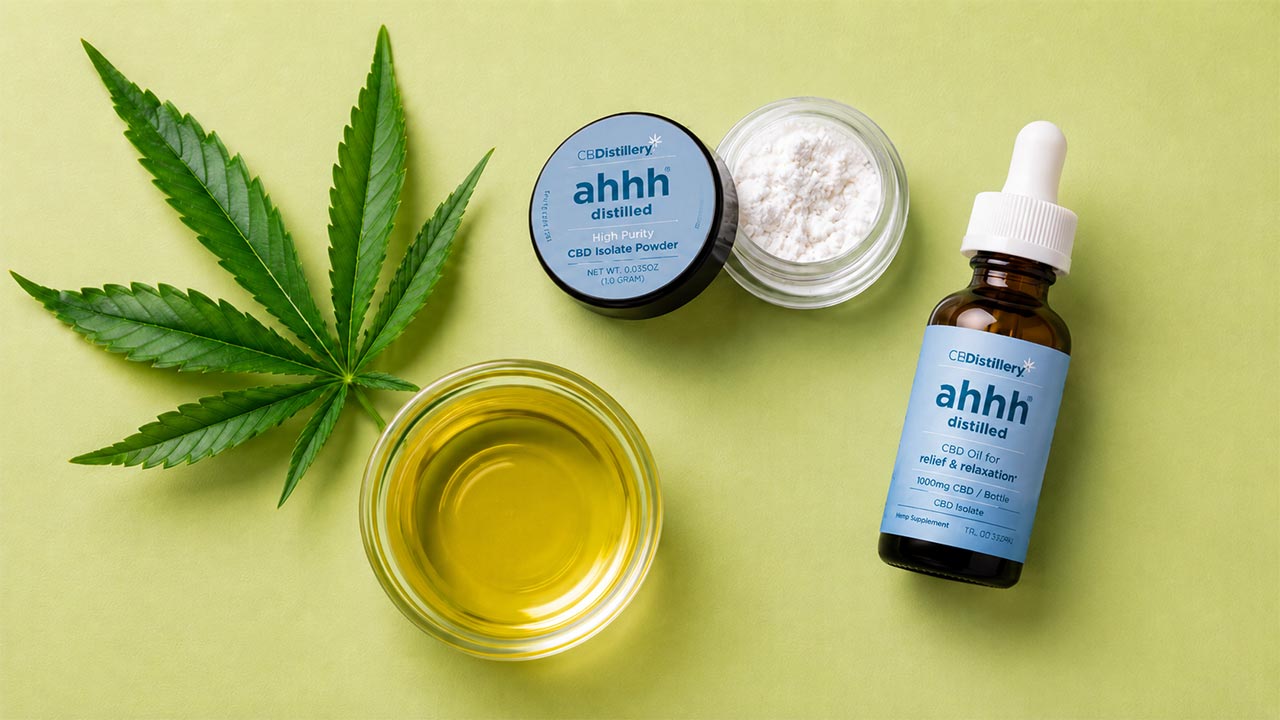
People using CBD products have likely seen the term CBD isolate on some product labels. The word “isolate” may lead them to assume the product is a package of white powder or crystals with no other ingredients added. Though purified cannabidiol (CBD) is sold as isolate crystals and powder, CBD isolate can also be one ingredient in a finished product. Understanding the difference between CBD isolate in powder or crystal form and as an ingredient in a finished product makes it easier to read product labels when shopping.
TL;DR (Too Long; Didn’t Read):
CBD isolate is a term for the CBD isolate spectrum, which is 99%+ pure cannabidiol. This term appears on the labels of products that are pure CBD or that contain it as one ingredient in a formulation.
CBD isolate powder is the purified CBD form made by grinding the isolate crystals formed during processing. CBD isolate products are consumer products made with CBD isolate.
Table of Contents
Why “CBD isolate” Has Two Different Meanings
CBD isolate can mean two different things. The word “isolate” refers to how CBD was processed and purified, not to the appearance of a finished product. In other words, isolate is a type of CBD spectrum. It can be sold in its purified form or used as an ingredient in other products.
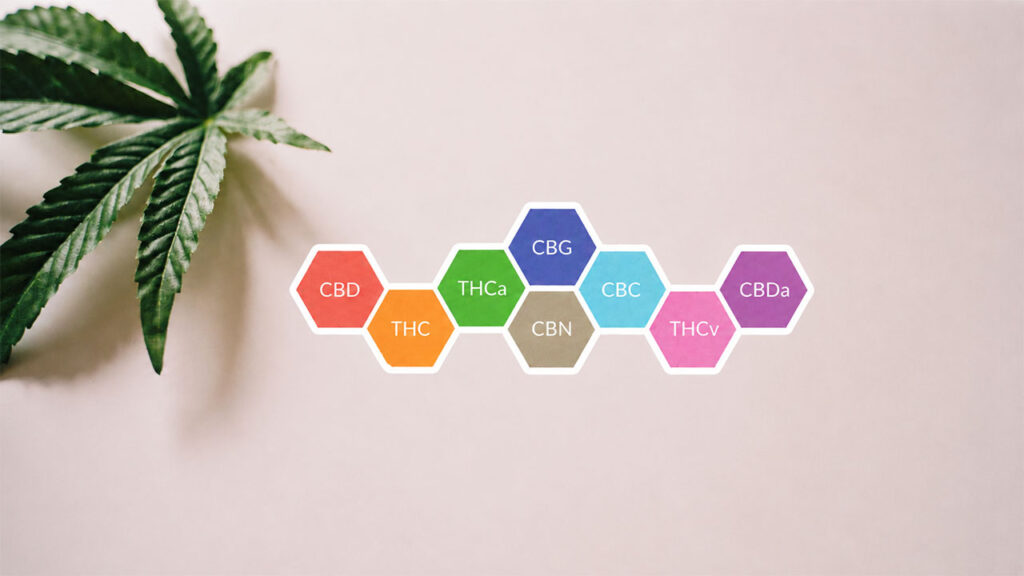
Hemp contains more than 500 compounds. They include cannabinoids, like CBD, THC, and minor cannabinoids like CBC, CBG, and CBN. The other compounds include flavonoids, terpenes, plant oils, and more. During extraction and purification, CBD is separated from other compounds. The purified CBD is then processed into CBD isolate crystals. The crystals can be ground into CBD isolate powder.
The CBD isolate material can be sold as a powder or crystals, or it is used as an ingredient in product formulations. For example, it is blended with a carrier oil, so the product label says it is CBD isolate oil. The extract is used as an ingredient in all product forms, including CBD isolate gummies, capsules, and topicals.
What Is CBD Isolate Powder?
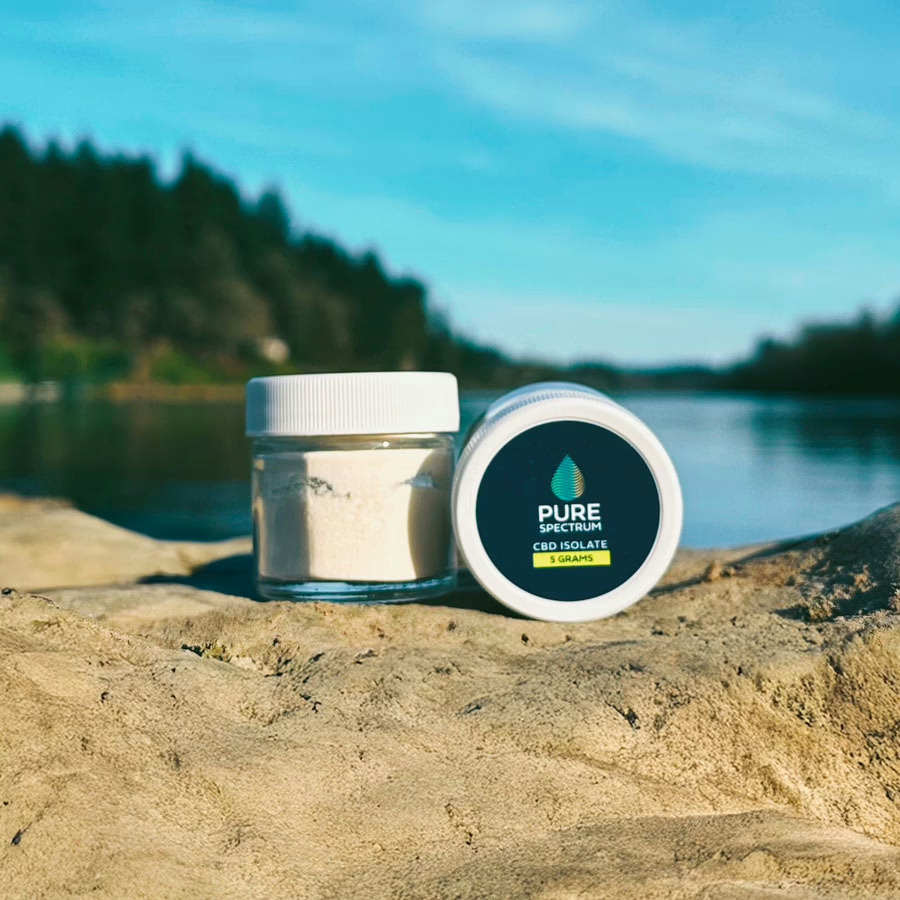
A purified form of cannabidiol is CBD isolate. It is a crystalline solid that appears as crystals or a fine white or near-white powder when pulverized. CBD producers usually say on their labels that their CBD isolate is about 99% pure.
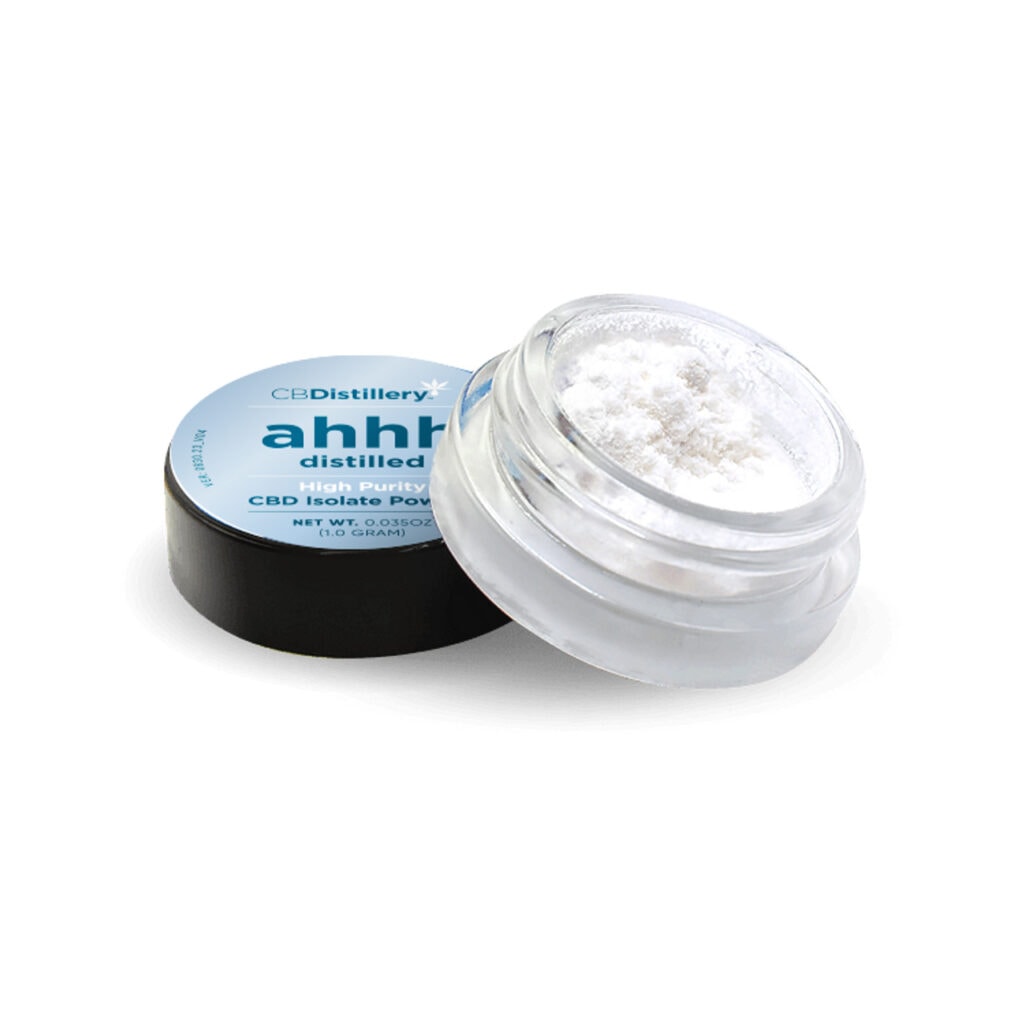
CBD isolate powder is flavorless and has no additives. The purity does not reach 100% because some CBD is lost and some non-CBD compounds remain during extraction. Researchers are striving to develop a process for medical research purposes that produces 100% pure CBD and CBDA. It takes more steps than CBD producers do, including a filtration step.
You can buy CBD isolate crystals or powder with no other ingredients. You can add isolate powder to foods and drinks. CBD manufacturers also use powder as ingredients in their various products, which they develop with different purities and formulations.
The best source of information for identifying cannabinoid concentration is the Certificate of Analysis (COA). Also, remember that calling a product an “isolate” does not prove product quality.
What Is a CBD Isolate Product?
Most CBD isolate products are formulations that use CBD isolate instead of full spectrum CBD, the whole-plant extract, or broad spectrum CBD, the whole-plant extract with THC removed. CBD isolate is incorporated into a wide range of products, including gummies, oils, capsules, bath bombs, topicals, drinks, and pet products.
The various products on this list are not in powder form. Once other ingredients are blended with CBD isolate, the powder or crystal is no longer recognizable.
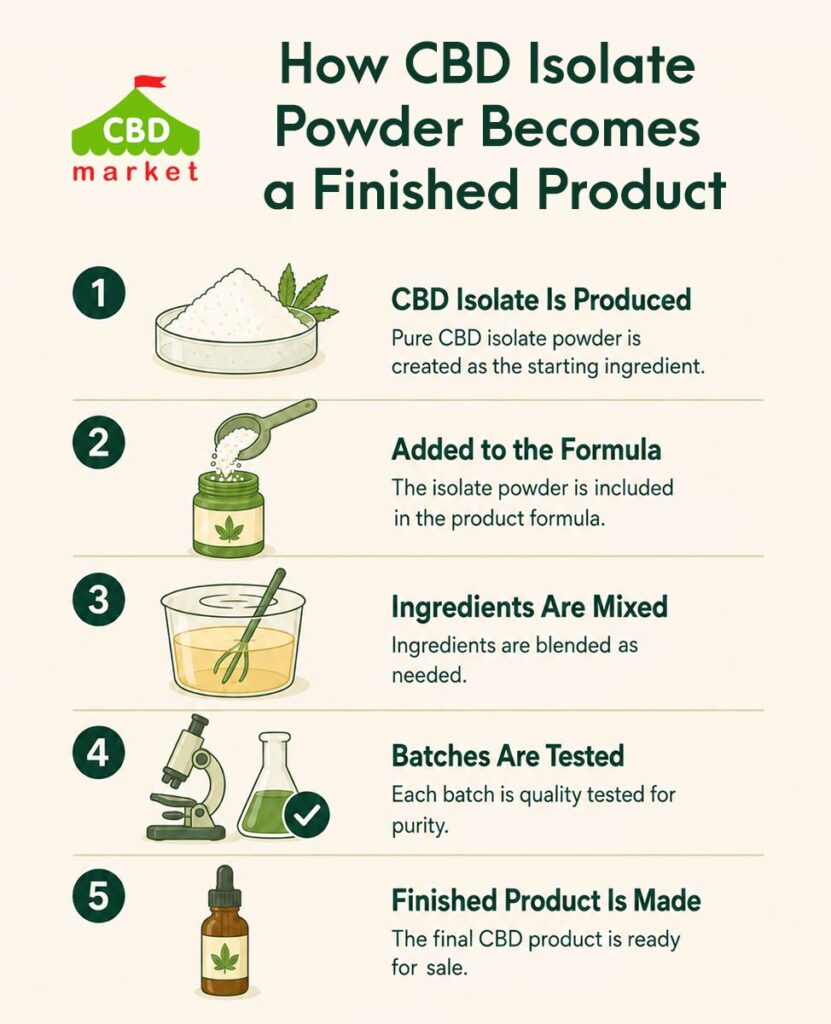
How CBD Isolate Powder Becomes a Finished Product
There is a process CBD manufacturers use to turn the CBD isolate extract into a finished product. It takes multiple steps to produce the isolate and additional steps to produce a finished product.
First, the CBD must be isolated from the hemp plant extract. The extraction process commonly uses CO2 or ethanol to separate the oils and cannabinoids. In the winterization step, the crude oil is frozen to separate waxes, fats, and lipids. Decarboxylation is one step that converts CBDA, the acidic form of CBD, into CBD.
Distillation involves applying heat and vacuum pressure to further separate CBD from any remaining hemp plant compounds and other residues. During the crystallization step, the purified CBD extract is mixed with a solvent, heated, and then cooled to form solid crystals. Crystals can be washed to ensure all remaining impurities are removed. The crystals are often ground into fine powder. Most quality producers today use CO2 as a solvent with no residue.
This is a general description of how CBD isolate powder is produced. CBD manufacturers use various processes and solvents, all with the same goal. They want to produce a 99% pure CBD extract.
The isolate powder is used in formulations to produce isolate products. For example, powder is mixed with carrier oil and botanicals to produce CBD isolate oil. Product producers consider many factors when incorporating isolate, including the desired potency and properties of the carrier oil.
Each product type has a unique formulation, with the manufacturer considering factors such as the consistent distribution of CBD in gummies, the premeasured amount of isolate in capsules, and the most compatible base for CBD in topicals.
The basic process is as follows.
- The CBD isolate powder is produced.
- The powder is included in the formulation.
- The ingredients are mixed, blended, or processed as necessary.
- Product batches are quality tested.
- A finished CBD product is produced.
Does “Isolate” Mean the Product Contains Only CBD?
No, it is important to understand that isolate on a product label does not necessarily mean the product contains only CBD. Isolate indicates the type of ingredient included in the product. Unless it is in pure powder or crystal form, there are other ingredients.
Various finished products might contain CBD isolate, various minor cannabinoids, minerals, vitamins, botanicals, amino acids, or some blend of two or more of these. This means you should not assume that a label stating the product was made with CBD isolate means it contains only isolate. It is important to read the entire ingredient list and not rely solely on the word “isolate”. If the product contains only purified CBD isolate powder or crystals, there will be no other ingredients.
How to Tell Which Type of “CBD Isolate” You’re Buying
The first step in identifying the type of CBD isolate in the package is to consider the product form. If the package contains only crystalline material, it is probably CBD isolate powder or crystals. The label should say so.
If the product form is liquid, gummies, softgels or capsules, or a topical, the label should list the amount of CBD isolate and the type and amounts of other ingredients. You can review the complete ingredient list.
The label and the COA provide a lot of important information. You will find the amount of CBD per serving, the total amount of CBD in any form in the container, the list of ingredients, and a batch number. The batch number should match the COA’s batch number. The COA shows the result of laboratory testing for cannabinoids and potential contaminants.
Wording does matter. A label may say “CBD isolate” or “made with CBD isolate” or “99% CBD isolate.” These terms mean or imply different things.
Look Beyond the Word Isolate
Understanding how CBD brands use the word “isolate” is crucial to being an informed consumer. CBD isolate in crystal or powder form is pure CBD. These ingredients may be sold individually or used in finished product formulations, serving as one ingredient among others. When you see the word isolate, check the available and additional information, including everything on the product label and the COA. The bottom line is that CBD isolate is pure CBD. It is not necessarily the only ingredient in a finished product.
Sources
- https://pmc.ncbi.nlm.nih.gov/articles/PMC11921148/#sec2
- https://www.fda.gov/media/128364/download
- https://pmc.ncbi.nlm.nih.gov/articles/PMC7321064/
Share this post
