

What Are The Ingredients in CBD Capsules and Softgels?
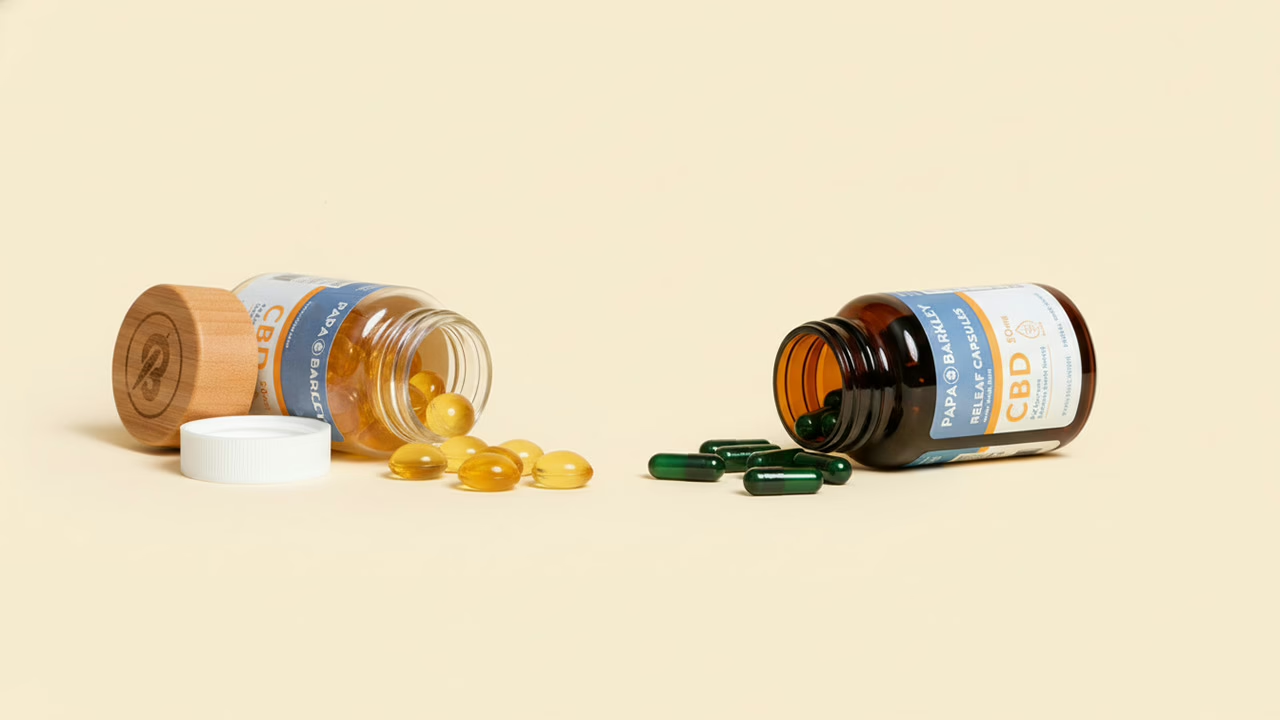
CBD capsules and softgels are similar in shape and often grouped together in people’s minds because they are swallowed. However, they differ in several important ways, including ingredients and bioavailability. It is important to understand the differences to choose a product that ideally works for you.
TL;DR (Too Long; Didn’t Read):
CBD capsules and softgels are often grouped together, but they differ in ingredients and bioavailability.
The most important ingredients are the carrier oil, the CBD spectrum, and the shell (gelatin or plant-based alternatives). To shop safely, read the label for potency and allergens, and confirm quality with a batch-specific third-party COA.
Table of Contents
Capsules vs Softgels: What’s the Difference?
It is easy to distinguish between CBD capsules and softgels by looking at them. Capsules have a hard shell. They have a two-piece shell, and most are filled with dry ingredients. The CBD and other ingredients are released after dissolving in the digestive system.
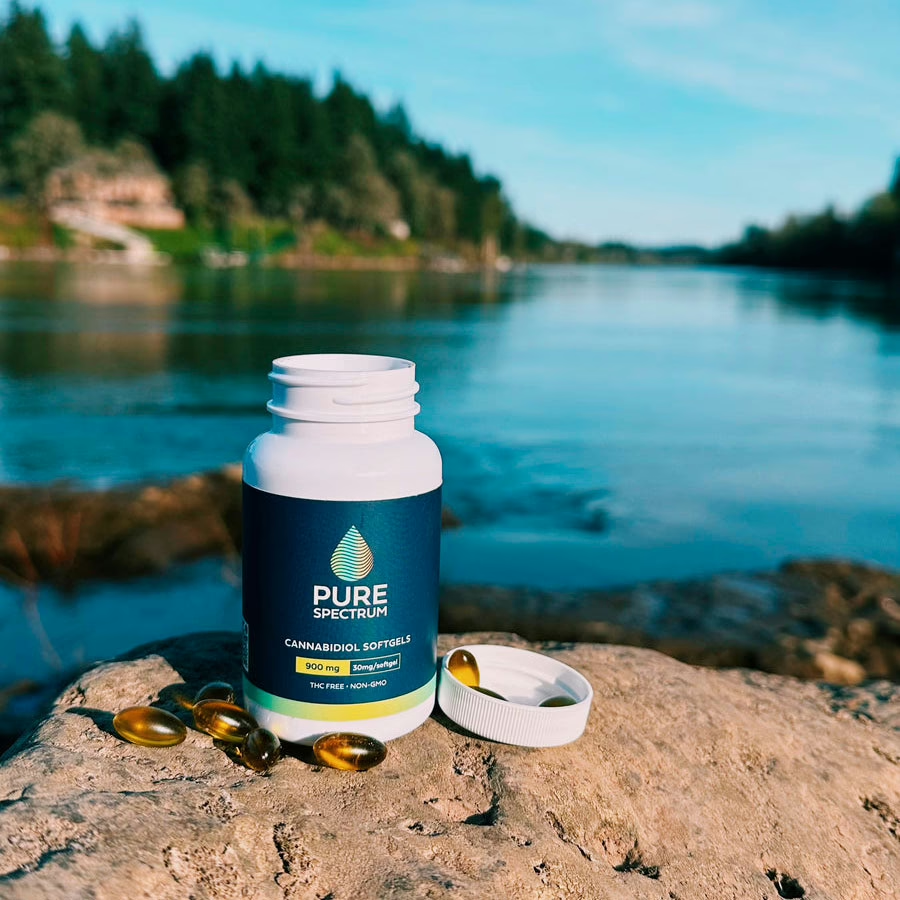
As the name implies, softgels have a soft shell that encapsulates liquid ingredients. They offer a higher bioavailability because the contents are already dissolved, so absorption is faster in the digestive system.
As the CBD product lines continue to expand, the difference between capsules and soft gels blurs for some products.
The hard shell CBD commonly contains a dry CBD extract. However, there are also CBD capsules that contain CBD oil and other liquids, like MCT oil. That is why you will find “capsule softgels” with a two-piece hard shell containing a liquid formulation.
Also, some CBD products are called capsules, but they are solid like CBD tablets.
Core Ingredients
The CBD capsules and softgels have a variety of ingredients.
1. Carrier Oil
The carrier oil is an essential ingredient supporting CBD absorption. CBD is fat-soluble. That means it is absorbed best with fat. CBD needs lipids (fatty compounds) to achieve maximum absorption in the digestive system. That is the purpose of the carrier oil. The carrier oil provides the fats the body needs to process the CBD efficiently, carrying the compound through your system.
The following are the typical carrier oils.
✓ MCT oil
MCT stands for medium-chain triglyceride. It is a concentrated extract obtained from coconut oil or palm oil. These oils are high in fats that the body can absorb quickly. The liver converts fats into energy. MCT oil is an excellent CBD carrier because it breaks down CBD molecules, enabling faster delivery to the liver and enhancing bioavailability. MCT oil is a concentrated, purified mixture of MCTs. MCT oil in CBD softgels aids cannabinoid absorption. However, some hard capsules contain CBD powder mixed with a small amount of CBD oil.
✓ Coconut oil
Coconut oil works like MCT oil, but it has approximately half the number of MCTs. It is not concentrated like MCT oil. Coconut oil does dissolve rapidly, increasing CBD bioavailability.
✓ Hemp seed oil
Hemp seed oil capsules and softgels are made with hempseed oil extracted by cold pressing hemp seeds. The seeds contain only a trace of CBD and other cannabinoids, but they are rich in nutrients and essential fatty acids that increase bioavailability. The omega-3 and omega-6 fatty acids come from the same plant as CBD, so they have a synergistic effect.
✓ Olive oil
Olive oil has monounsaturated fats, vitamins E and K, and antioxidants. It is not the best choice as a carrier oil because it has lower solvency than other carrier oils. This means it cannot carry as much CBD. It is also heavier and slower to digest.
What is the Best Carrier Oil for CBD?
There are other types of carrier oils, including grade seed oil and avocado oil.
2. CBD
CBD capsules commonly contain powdered extract. However, there are capsules that contain CBD oil formulated to make CBD water-soluble.
CBD softgels are liquid-filled. They contain CBD oil mixed with a carrier oil. CBD in both products is one of the three CBD spectrums.
✓ CBD full spectrum
Full spectrum CBD extract is a whole hemp plant extract. The extract contains all the compounds found in the hemp plant. They include CBD, minor cannabinoids like CBC and CBG, flavonoids, terpenes and THC below the federal legal limit of .3% by dry weight.
✓ CBD broad spectrum
Broad spectrum CBD extract is a hemp plant extract that is processed to remove most or all THC. It has all the hemp plant compounds except THC. This is an ideal choice for consumers who want to avoid taking THC.
✓ CBD isolate
CBD isolate is a hemp plant extract that is reduced to only CBD. It is typically a powder or a crystal.
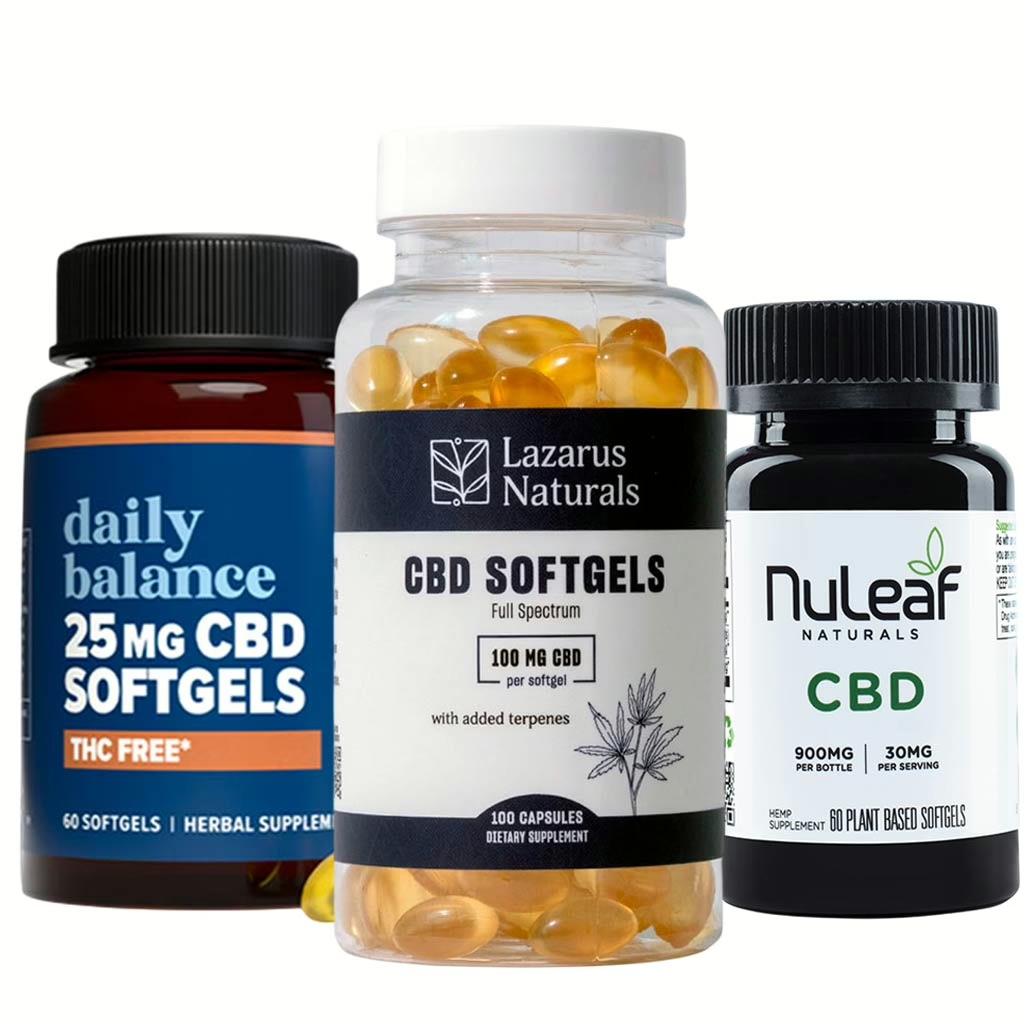
Products contain different amounts of CBD per serving, ranging from 10 mg to 200 mg. The most popular potencies are 25 mg, 30 mg and 50 mg per serving. The products with higher amounts of CBD per serving are mostly CBD softgels.
3. Capsule and Softgel Shell
The animal or plant material used is a major difference between CBD capsules and softgels. The composition of the shell is important for several reasons, including absorption rate and dietary and food allergy considerations.
✓ Hard Capsules
CBD capsule shell ingredients for hard capsules are primarily gelatin or pectin and water. Gelatin is sourced from animal collagen. Pectin shells made with cellulose from fruits and vegetables are a good choice for vegans. A vegetable capsule is made with ingredients such as purified water and Hypromellose.
✓ Softgels
CBD softgels are commonly made from gelatin, glycerin and water. Vegan-friendly shells are made with a starch, such as tapioca starch, to replace gelatin.
With so many products available today, the line between hard capsules and softgels is less distinct among some products.
4. Additional Ingredients
Additional CBD softgel and CBD capsule ingredients are added to enhance the flavor, product stability and benefits. Some of the benefits targeted include enhanced sleep, improved focus, relaxation and calm, support for mental well-being, enhanced muscle recovery and immune support.
CBD formulations affect bioavailability. The following are additional ingredients added to enhance benefits.
✓ Emulsifiers
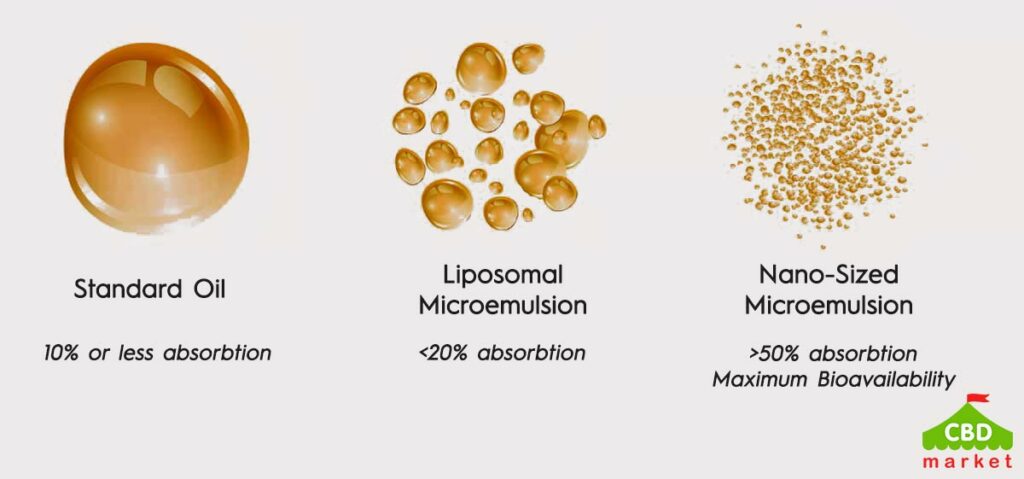
Emulsifiers turn the oil-based cannabinoids into a form that is water-compatible. Emulsifiers coat the CBD molecules to aid consistent dosing and improve bioavailability. Common natural emulsifiers include sunflower lecithin, soy lecithin, gum acacia, modified food starch.
✓ Herbs and minerals
There is a wide range of ingredients found in capsules, softgels, pills and tablets. The specific ones selected are based on the wellness target. For example, melatonin, valerian, chamomile, magnesium and zinc promote relaxation and sleep. Formulations for immune support may include vitamin E, omega-3 and omega-6 fatty acids, limonene and various terpenes. Terpenes are naturally occurring compounds in plants.
Some of the many herbs and minerals you will find in CBD formulations include L-theanine, turmeric, curcumin, ashwagandha, mushrooms, spirulina, elderberry, ginger, peppermint, zinc, magnesium and many others.
✓ Vitamins
Vitamin B6, C, E and K are some of the ingredients added to CBD formulations. They act as antioxidants.
✓ Amino acids
Amino acids like GABA may calm the central nervous system. By promoting relaxation, sleep is improved.
✓ Terpenes
The many terpenes in plants are aromatic compounds with antioxidant properties, i.e., limonene, myrcene, linalool, alpha beta-pinene, etc. There is evidence that they may bind to and activate CB2 cannabinoid receptors, enhancing the effects of CBD. This means terpenes may produce the entourage effect through interactions with cannabinoids.
✓ Flavonoids
These are natural compounds found in vegetables, fruits and spices. They are antioxidants and anti-virals. Research has demonstrated they have a role in human health as therapeutics.
✓ Minor cannabinoids
Additional amounts of minor cannabinoids are found in many CBD capsules and softgels, i.e., CBDA, CBC, CBG, CBN, etc. When added, they are believed to enhance the potential entourage effect.
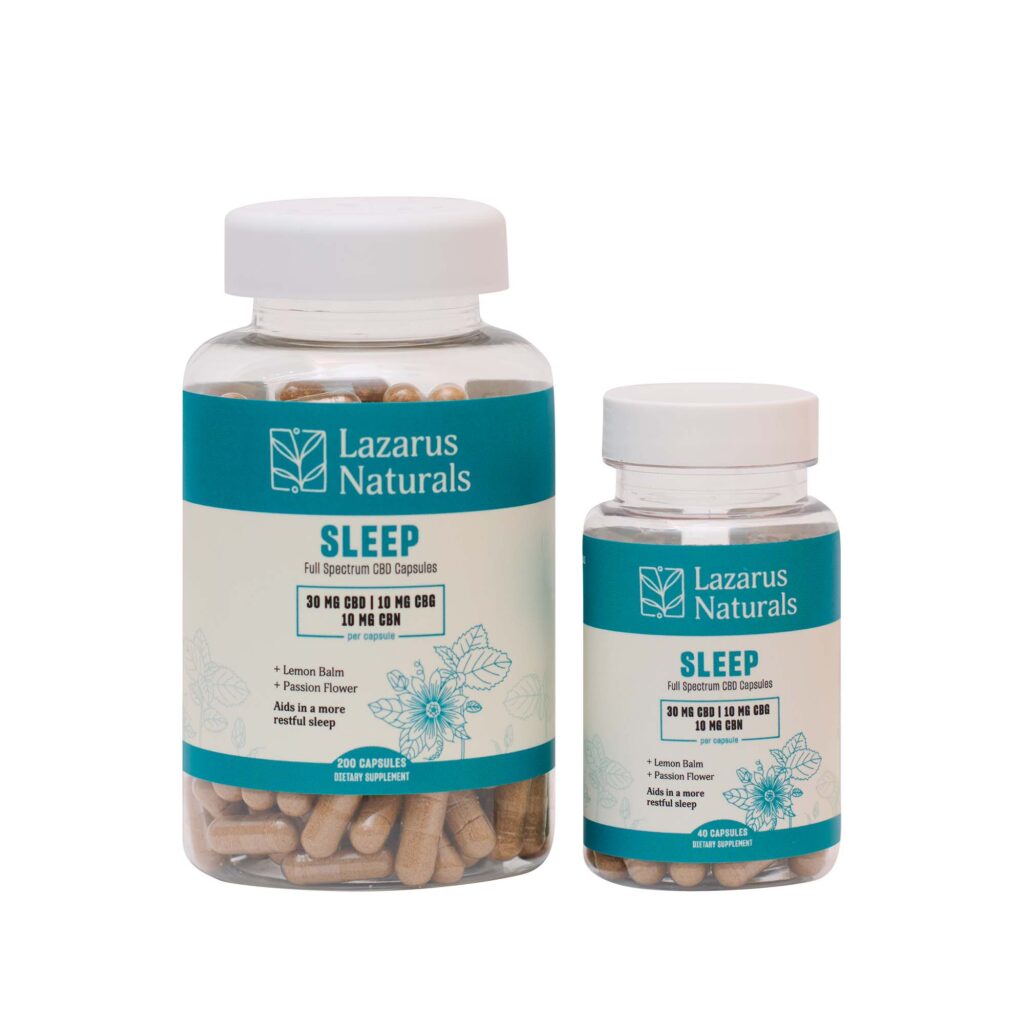
These are not the only additional ingredients you may find listed on a label. They are the most common. As CBD producers continue to develop new, quality products, the variety of additional ingredients grows. Note that CBD isolate capsule ingredients can include some of those listed above. The isolate designation refers only to the CBD extract.
Red Flags to Watch For
There are some red flags to watch for when shopping for CBD capsules and softgels.
🚩 A third-party, independent lab did not test the product batch, or the Certificate of Analysis (COA) is not available.
🚩 A review of the COA shows the label has incorrect information.
🚩 A review of the COA shows the capsules or softgels contain hazardous contents, i.e., pesticides, solvents, metals, etc.
🚩 The product has artificial fillers.
🚩 The brand claims a proprietary formula and does not disclose the ingredients.
🚩 The brand or label makes medical claims, which is forbidden by law.
🚩 Poor customer reviews indicate the product is low-quality or the brand has not been truthful.
A study of 202 CBD products found that labeling inaccuracies included a misstated CBD potency with a 10% deviation and a misstated CBD spectrum. Heavy metals were in 44 products, residual solvents in 181 products and pesticides in 30 products. Reading the CBD product label carefully is crucial to protecting your health.
Reading CBD Product Labels
Assuming the label is accurate, it contains a wealth of information to help you select the best product for your needs.
✔️ Check the CBD potency per serving and the total amount of CBD in the package.
✔️ Check the CBD spectrum. If concerned about THC showing up on a drug test, look for CBD isolate. Unless the brand indicates otherwise, a broad spectrum CBD product labeled THC-free may contain a trace of CBD because the law allows for a slight variance.
✔️ Read all the ingredients to make sure there is nothing you are allergic to.
✔️ Read the front and back labels to make sure the project truly meets your needs, such as vegan or GMO-free.
✔️ Look for the Certificate of Analysis link so that you can compare the report to the label.
✔️ Check for the amount of THC in the product. Federal law limits the amount of THC to 0.3%.
FAQs
Are CBD Softgels Always Gelatin?
No, CBD softgels are made with either gelatin or modified cellulose or starch. If the shell is not gelatin, it is a plant-based vegan product.
What’s the Best Carrier Oil for CBD Softgels?
MCT oil is considered the best carrier oil for CBD. It contains the highest amount of medium-chain triglycerides, which carry lipophilic (fat-soluble) CBD molecules to tissues in the body and aid absorption. MCT oil is also believed to have many health benefits, such as increasing energy, boosting memory and acting as an antiviral and antimicrobial.
Do CBD Capsules Contain THC?
Broad spectrum CBD capsules may contain a trace of THC, meaning the amount is so minimal that standard testing equipment cannot detect it. A true THC-free product is made with CBD isolate.
Can CBD Capsules Be Vegan?
Yes, vegan CBD capsules are available. Vegan CBD capsule ingredients are all natural. Vegan hard capsules with a two-part shell have a pectin or other non-animal-based shell.
Expanding CBD Market Means More Options
Today’s CBD market has many options in every product category, so there is something for everyone. Many consumers like CBD capsules and softgels because the CBD dosage is pre-measured, easy to take and portable in a handbag, briefcase or gym bag. Softgels are sometimes preferred because they are easier to swallow and absorption in the digestive system is faster, as they contain liquid.
The important thing is to understand the terminology so you can fully interpret the product label for potency, ingredients and quality indicators, such as third-party testing. It is important to choose products that meet your health goals, dietary preferences and safety standards.
Sources
- Ramella A, Roda G, Pavlovic R, et al. Impact of lipid sources on quality traits of medical cannabis-based oil preparations. Molecules. 2020;25(13):2986. Published June 30, 2020. doi: 10.3390/molecules25132986. PMC.
- Bondareva Williams NN, Ewell TR, Struebin Abbotts KS, et al. Comparison of Five Oral Cannabidiol Preparations in Adult Humans: Pharmacokinetics, Body Composition, and Heart Rate Variability. Pharmaceuticals (Basel). 2021;14(1):35. Published January 6, 2021. doi: 10.3390/ph14010035. PubMed.
- Cox-Georgian D, Ramadoss N, Dona C, Basu C. Therapeutic and medicinal uses of terpenes. In: Joshee N, Dhekney SA, Parajuli P, eds. Medicinal Plants. 2019:333–359. Published November 12, 2019. doi: 10.1007/978-3-030-31269-5_15. PMC.
- Chen RJ, Sharma S. GABA Receptor. In: StatPearls [Internet]. Treasure Island (FL): StatPearls Publishing; 2025. Updated February 18, 2025. NCBI.
- Raz N, Eyal AM, Fahoum-Khalefa N, Tauber M, Ben-Chaim Y. Selective activation of cannabinoid receptors by cannabis terpenes. Biochemical Pharmacology. 2026;243(Pt 1):117498. Published January 2026. doi: 10.1016/j.bcp.2025.117498. ScienceDirect.
- LaVigne JE, Hecksel R, Keresztes A, et al. Cannabis sativa terpenes are cannabimimetic and selectively enhance cannabinoid activity. Scientific Reports. 2021;11:8232. Published April 15, 2021. doi: 10.1038/s41598-021-87740-8. Nature.
- Ullah A, Munir S, Badshah SL, et al. Important flavonoids and their role as a therapeutic agent. Molecules. 2020;25(22):5243. Published November 11, 2020. doi: 10.3390/molecules25225243. PMC.
- Gidal BE, Vandrey R, Wallin C, et al. Product labeling accuracy and contamination analysis of commercially available cannabidiol product samples. Frontiers in Pharmacology. 2024;15:1335441. Published March 18, 2024. doi: 10.3389/fphar.2024.1335441. Frontiers in Pharmacology.
- Jadhav HB, Annapure US. Triglycerides of medium-chain fatty acids: a concise review. Journal of Food Science and Technology. 2022;60(8):2143–2152. Published June 22, 2022. doi: 10.1007/s13197-022-05499-w. PMC.
Share this post
