

CBN vs THC: What Is the Real Difference?
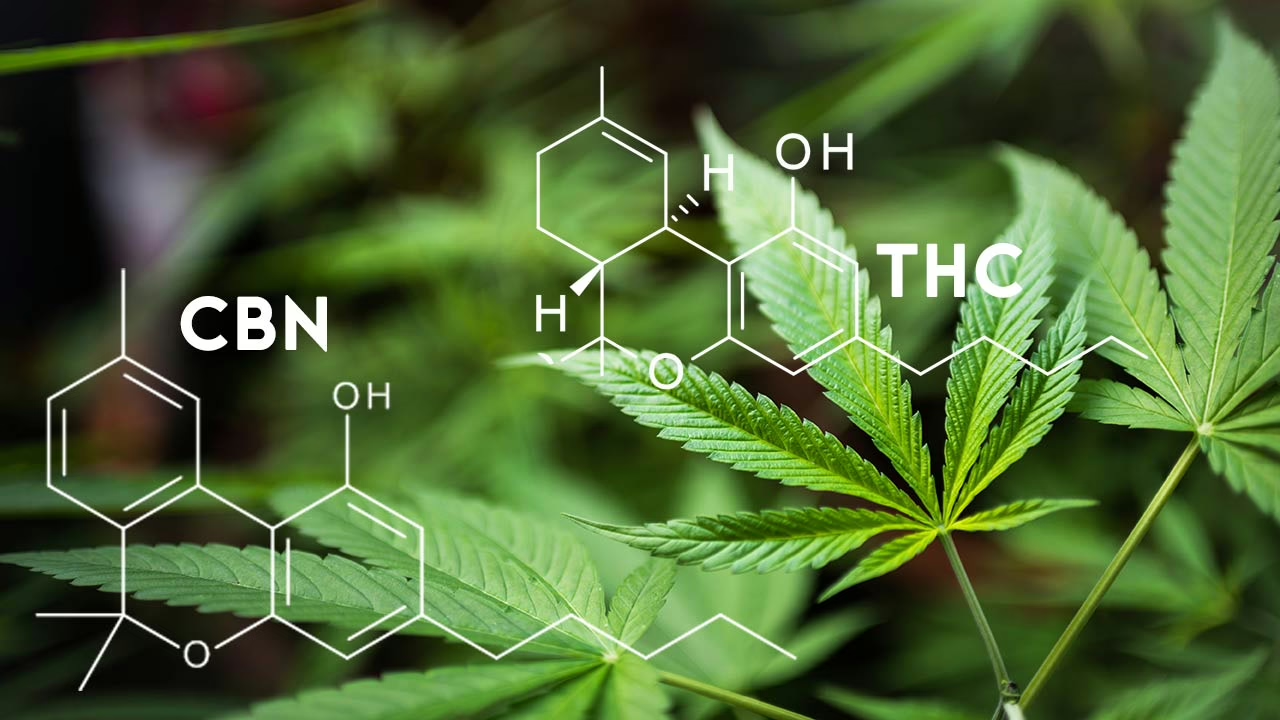
As clinical studies and consumer reviews expand knowledge of cannabinoids, a wider range of cannabinoids beyond the familiar CBD and THC are appearing in CBD product lines. One of the increasingly popular cannabinoids is CBN because it is associated with promoting improved sleep, relaxation, and calm. What is the difference between CBN and THC? Though both are found in the cannabis plant, CBN and THC have differences in terms of effects and legality.
TL;DR (Too Long; Didn’t Read):
THC and CBN are cannabinoids found in the cannabis plant, but they are different in their effects.
THC can cause a “high”, while CBN is considered mildly psychoactive when taken in higher quantities.
The amount of THC in CBD products is limited by federal law, and CBN is legal.
Table of Contents
What Are CBN and THC?
The hemp plant contains the major cannabinoids THC (tetrahydrocannabinol) and CBD (cannabidiol), but it also has many minor cannabinoids. One of the minor cannabinoids is CBN (cannabinol). It is much less studied than THC or CBD, but it is growing in popularity as a sleep aid.
THC is the major cannabinoid in the cannabis plant responsible for producing a high or euphoria and an altered perception. This is due to its strong binding to the brain’s endocannabinoid system CB1 receptors.
CBN is an oxidative metabolite of THC. All this means is that CBN forms as a byproduct of THC as the cannabis plant ages. When THC is exposed to sunlight or light, oxygen, or heat over time, THC breaks down. CBN is one result of the degradation process. Older cannabis plants or cannabis plants stored in an area where they are exposed to light, oxygen, or heat produce CBN.
CBN interacts more with CB2 cannabinoid receptors, which is why the effects are different than THC effects.
Main Differences Between CBN and THC
Do They Get You High?
When comparing the effects of CBN and THC, the first difference is that CBN is not mind-altering like THC. Tetrahydrocannabinol is highly intoxicating. In large doses, it can cause an altered sense of time, enhanced sensory experience, and other physical effects.
While CBN is considered mildly psychoactive, CBN users report that the cannabinoid produces a sense of calm. It has a mild psychoactive effect or none at all. It interacts more with CB2 receptors, which are found mostly in peripheral tissues. CB2 receptors play a role in regulating sleep by modulating the sleep-wake cycle and interacting with circadian rhythms.
CBN is called the “sleepy cannabinoid” because users say it effectively induces sleep without stimulation. Very limited clinical research has found that CBN can act as a sedative, an antibiotic, and an antifungal compound.
THC is a stronger cannabinoid with a more immediate impact. Too much THC can cause serious psychological and physical issues. CBN delivers a gradual experience of relaxation.
Are They Legal?
THC is illegal per federal law if it is extracted from cannabis and exceeds 0.3% on a dry weight basis. It is being rescheduled at the federal level, and many states have legalized it as a medical compound that can be distributed through a licensed dispensary. This has created a lot of confusion in the market.
The government has limited the amount of THC allowed in CBD products because enough THC can get you high. The 2018 Farm Bill limits THC content to 0.3%, which research has shown is the non-intoxicating amount. Whole plant, full spectrum CBD has some THC in it, but it is not enough to cause intoxication.
CBN is legal. This compound has never been addressed in federal laws and is not on the federal controlled substance list. It would take a very potent dose to produce a mild psychoactive effect. Users describe the effects as mildly sedating and relaxing. Any CBN product must contain less than 0.3% THC to remain federally legal. However, state laws vary once again.
CBN vs. THC Effects
What are the CBN vs. THC effects? There are more differences beyond the amount of intoxication.
Taking a low dose of THC, like the amount in legal CBD products, does not cause intoxication. Low-dose THC has been found to produce other effects, and researchers believe THC may have the potential to act as a therapeutic.
Your tolerance level for THC influences the particular effects. It is higher THC doses that can cause paranoia and physical issues, such as a rapid heartbeat and impaired coordination.
The amount of THC in CBD products is no more than 0.3% to ensure users are taking a low dose. Full spectrum CBD, which has THC, is extracted from the hemp plant, which is cultivated to limit the amount of THC to meet federal law.
CBN is not nearly as well-researched as THC. The studies so far, many animal studies, have found that it may have therapeutic effects similar to THC.
CBN vs. THC for Sleep
CBN is becoming more available as an added ingredient in CBD products or as a standalone product. Using CBN and THC for sleep is of major interest to consumers interested in a natural sleep aid.
Both CBN and THC may affect sleep. THC may help people fall asleep faster. However, it can reduce REM sleep, affecting sleep quality. This is due to its interaction with the CB1 receptors in the brain, which directly regulate sleepiness.
A study in which people were given a dose of 1 ml of THC:CBD in a 1:1 or 1:16 ratio found that sleepiness was significantly increased, but total sleep time, sleep onset, and the number of awakenings did not change. Lower doses of THC can be beneficial, but there is evidence that prolonged THC use changes the circadian rhythms, which lowers sleep quality.
A sleep study on the effects of CBN found that 20 mg reduced the number of awakenings. There was no difference in how long it took to fall asleep, and it did not cause fatigue the next day.
So THC can help you fall asleep, while CBN can help you stay asleep.
How Are CBN and THC Used in Products?
THC from non-hemp cannabis is typically used in medical cannabis products and, in most states, is sold through licensed dispensaries. In hemp products, THC is hemp-derived and must remain below 0.3%.
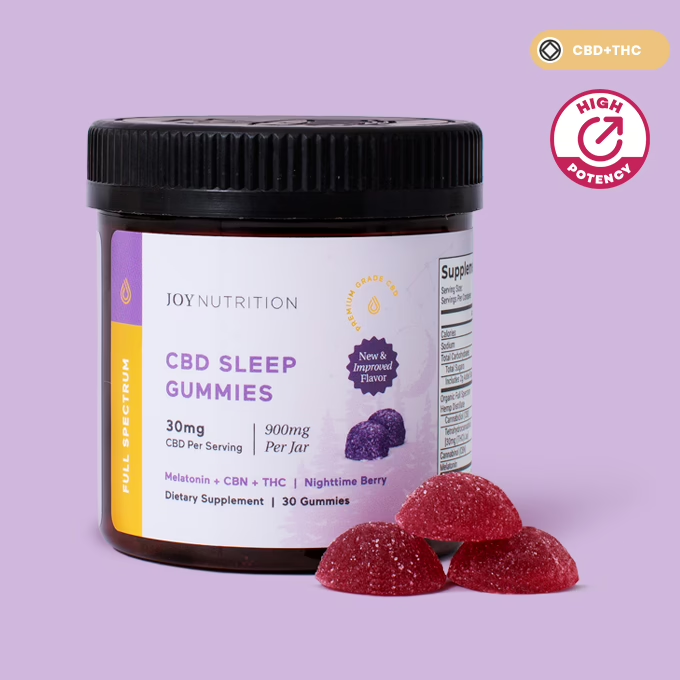
CBN is commonly sold in oils, gummies, softgels, capsules, and topicals. Most CBN products are not made with CBN alone. Instead, they combine CBN with other cannabinoids, such as CBD, and sometimes small amounts of THC. Full spectrum products contain naturally occurring THC, broad spectrum formulas typically have THC removed, and isolate products contain purified CBN.
Formulas can vary widely. Some combine CBD, CBN, and THC, while others add ingredients like melatonin or botanical extracts. In many cases, CBN is part of a broader cannabinoid blend rather than the only active ingredient.
How to Check CBN vs. THC on a Product Label?
High-quality, transparent, reputable brands show the amount of each cannabinoid on the product label. The product label should match the information on the Certificate of Analysis (COA), which details cannabinoid content and identifies whether hazardous compounds, such as heavy metals and solvents, are present.
Look for the THC and CBN milligrams per serving. Understanding the impact of CBN vs. THC on a drug test is crucial if concerned about testing positive. Even a trace amount of THC could trigger a positive result. The standard drug test will test for THC metabolites and not CBN. However, as discussed, some CBN products may contain THC.
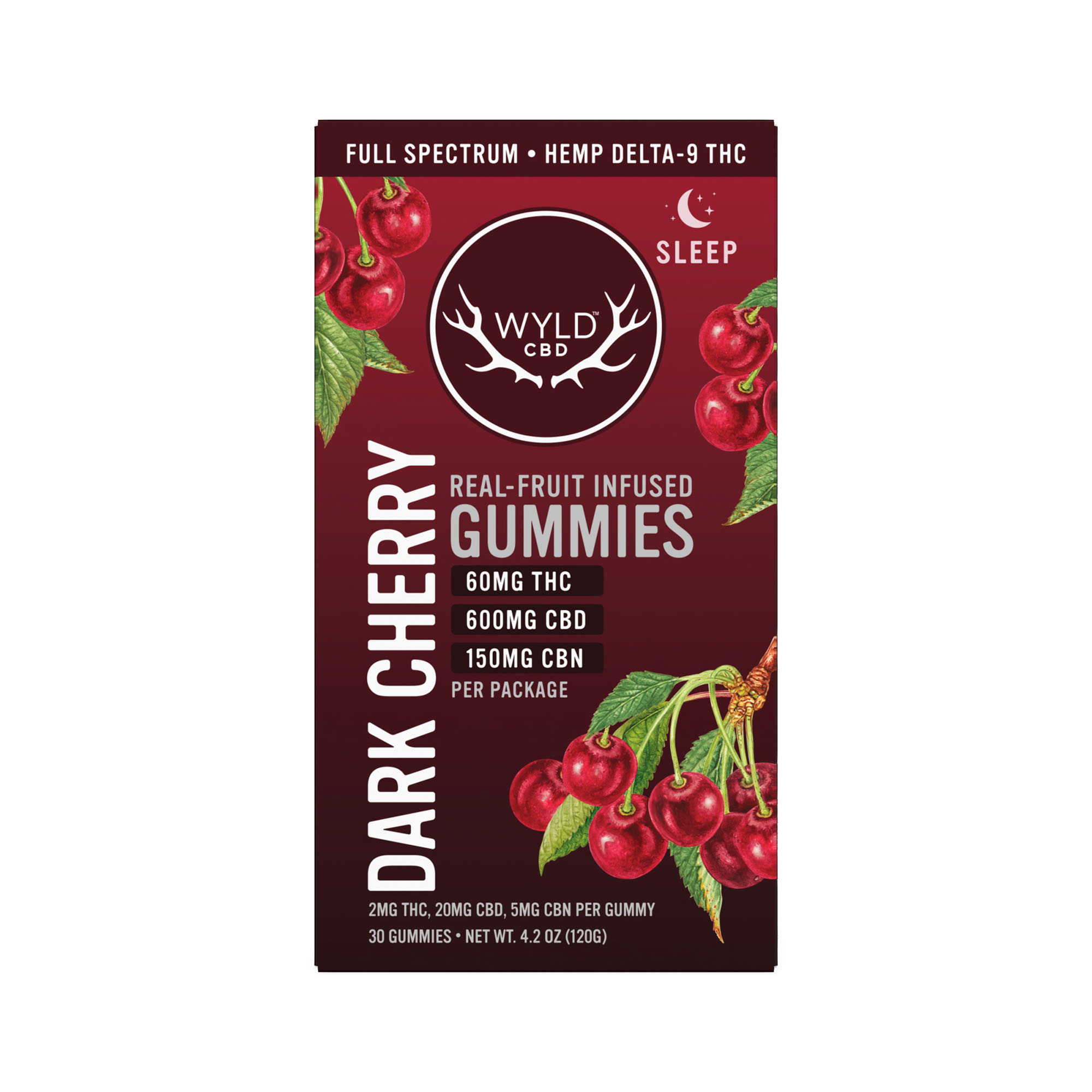
Also, it is possible that taking products with high amounts of CBN could cause this compound to show up on a drug test. However, if taking enough CBN to cause a positive test result, you would likely fail the drug test for THC. Read the product label closely because some people are sensitive to THC, and even a small amount can lead to unwanted psychoactive effects.
Side Effects
All compounds, including cannabinoids, can produce unwanted side effects. Comparing CBN and THC side effects highlights the major differences in risk and tolerance.
THC side effects include dizziness, impaired memory, dry mouth, and increased heart rate. The extent of the effects is dose-dependent. The more THC taken and the more frequently it is taken, the more likely you are to experience side effects.
CBN side effects are milder since it is a cannabinoid created by the breakdown of THC. Side effects include fatigue, drowsiness, or slight dizziness. Of course, if taking CBN as a sleep aid, drowsiness is a beneficial side effect.
Which One Should You Choose?
THC produces stronger, more noticeable effects. CBN is best when seeking better sleep or calm and relaxation.
CBD products that contain THC and CBN offer a balanced experience called the entourage effect. You get the benefits of both cannabinoids and other compounds in the extract as they interact together in the body. Taking CBN and THC together may provide more effective relief than taking each alone.
Consumers have reported that taking CBN with THC reduces the intensity of THC or that CBN makes the THC more calming. Researchers continue to study cannabinoids and their interactions. Full spectrum CBN products contain all the cannabinoids, including THC and CBD, plus terpenes and flavonoids.
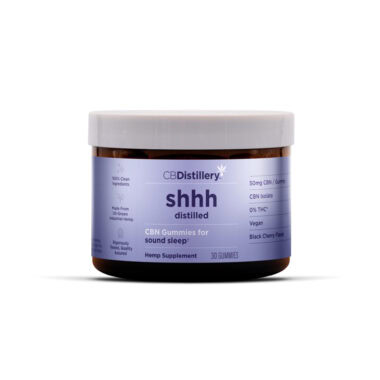
If concerned about drug testing, isolate CBN products are the best choice.
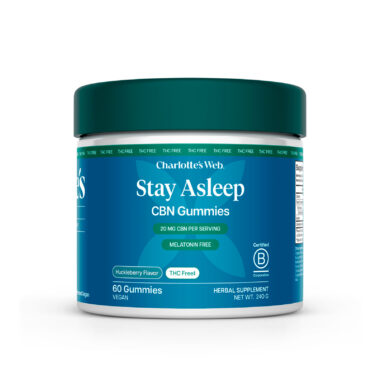
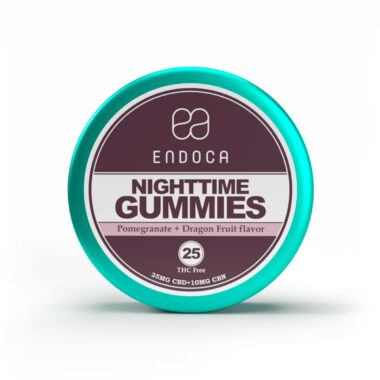
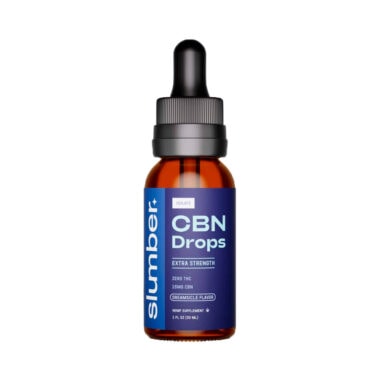
Featured CBN Isolate Products
Empowering Wellness With Cannabinoids
Though CBN and THC are cannabinoids, they produce different effects and have different purposes. THC is a potent cannabinoid that can produce a high, so it is limited to no more than 0.3% in a legal product. CBN is, at most, mildly psychoactive.
THC may help with falling asleep, but the milder CBN is proving to be an effective sleep aid for people who need a whole night’s rest or help achieving calm and relaxation. When shopping for CBN products, it is important to understand the differences in cannabinoids to ensure you make an informed choice.
Sources
- https://pmc.ncbi.nlm.nih.gov/articles/PMC11736144/
- https://www.sciencedirect.com/science/article/pii/S0753332223008934
- https://www.sciencedirect.com/topics/nursing-and-health-professions/cannabinol
- https://pmc.ncbi.nlm.nih.gov/articles/PMC10604755/
- https://www.nature.com/articles/s41386-024-02018-7
- https://pubmed.ncbi.nlm.nih.gov/37764262/
- https://www.sciencedirect.com/science/article/pii/S2213231725002058
- https://pubmed.ncbi.nlm.nih.gov/31120284/
- https://pmc.ncbi.nlm.nih.gov/articles/PMC12255549/
- https://pmc.ncbi.nlm.nih.gov/articles/PMC8713269/
- https://www.researchgate.net/publication/373391595_A_double-blind_randomized_placebo-controlled_study_of_the_safety_and_effects_of_CBN_with_and_without_CBD_on_sleep_quality
Share this post
