

The Best Alternatives to THC
Though THC may produce many positive effects, it is a psychoactive compound. As a result, you may prefer to avoid it and look for alternatives to THC. There are other reasons you may choose to switch to other alternatives. The options range from CBD and minor cannabinoids to non-cannabis supplements.
TL;DR (Too Long; Didn’t Read):
You may look for THC alternatives because THC is psychoactive. Non-intoxicating cannabinoids like CBD, CBG, CBN, CBC, and CBDV offer potential wellness benefits without producing a high. Terpenes and essential oils are other THC alternatives, which are often added to CBD oil to enhance the entourage effect. Additional natural THC alternatives include magnesium, L-theanine, and various herbal extracts.
Table of Contents
Why Do People Look for THC Alternatives?
The following are some of the reasons people look for alternatives to THC.
➥ THC is psychoactive, and they worry about feeling high despite legal limits on the amount of THC allowed in CBD products.
➥ Some people have personal reasons and do not consume anything intoxicating.
➥ THC in any amount has the potential to show up on a drug test.
➥ Some people should not take THC, like women who are pregnant or breastfeeding.
➥ THC may interact with some medications.
➥ People with mental health issues do not want to risk increasing psychosis with a psychoactive compound.
➥ THC is sedating for some people.
➥ People who work may want to avoid THC due to the risk of unwanted effects.
➥ Some people are sensitive to THC.
➥ People want to adhere to restrictive state laws.
➥ Consumers want to try minor cannabinoids without THC to determine the effects.
Look for CBD products that use minimal, clearly listed ingredients and rely on natural flavors and colors rather than heavy use of artificial additives.
Cannabinoids as THC Alternatives
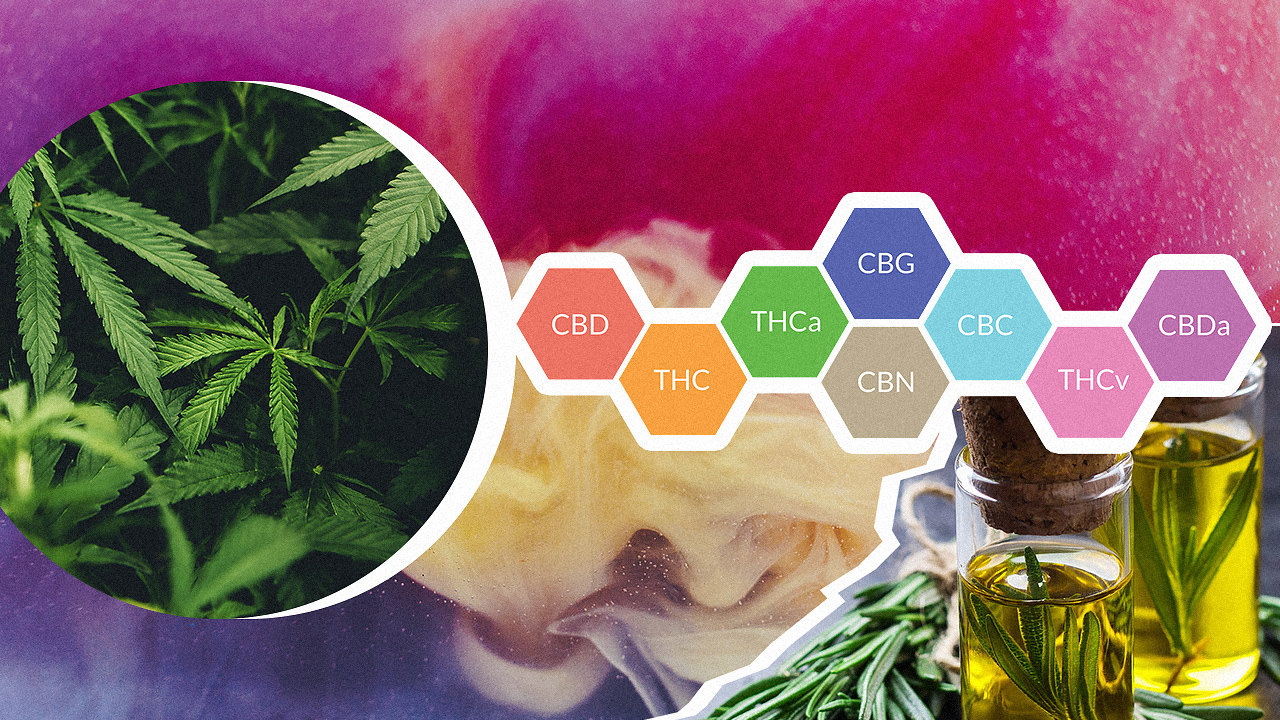
If you want to avoid taking THC, there are non-intoxicating cannabinoids (CBD, CBG, CBN) alternatives. Based on research to date, these cannabinoids and others may have some of the positive effects of THC but without producing a high. The following cannabinoids are some of the best possible THC alternatives.
CBD
You can take CBD instead of THC. CBD is not psychoactive. CBD (cannabidiol) is a major cannabinoid in the hemp plant. Clinical research has demonstrated that this natural compound may offer many wellness benefits without causing a high.
Consumers have reported they take CBD to address issues like discomfort, sleep issues, and more. Most people do not experience side effects, one of the issues with using THC. A 2025 SingleCare survey found that 68% of CBD users report the cannabinoid is effective.
CBG
CBG (cannabigerol) is frequently called the “mother of all cannabinoids.” It is a precursor cannabinoid that produces THC and CBD cannabinoids as the cannabis plant matures. Moreover, CBG is non-psychoactive.
CBN
CBN (cannabinol) is a non-intoxicating minor cannabinoid. It develops when THC breaks down during exposure to heat and light, and as the cannabis plant ages. There is growing interest in CBN, leading to increased research into its potential effects in the body. CBN may improve sleep time for people experiencing poor sleep quality, which is why products like CBN gummies are becoming a popular format for people exploring this cannabinoid.
CBC
Non-intoxicating CBC (cannabichromene) has also demonstrated various potential effects that support well-being. It may have antimicrobial and analgesic properties. CBC develops when CBGA in the hemp plant is exposed to heat and drying, first forming CBCA and then CBC.
CBDV
CBDV (cannabidivarin) is yet another minor non-intoxicating cannabinoid. It is similar to CBD, except it has a shortened side chain.
Terpene-Based Products
Terpenes are the compounds that give plants their unique flavors and scents. Increased amounts of terpenes are often used to enhance CBD products because they also interact with the endocannabinoid system.
Terpenes are derived from cannabis plants, including hemp, or from non-cannabis plants, like citrus, lavender, and pine. Botanical essential oils containing terpenes are believed to have a wide range of effects.
When you shop for CBD oils or other products, you will find many options, such as CBD mixed with essential oils specifically selected for their terpenes. Terpenes can account for as much as 95% of a critical oil’s identity.
You can buy essential oils that are not blended with CBD, but it is believed that terpenes can elevate the entourage effect when combined with CBD. There are products made with a terpene blend, such as limonene, valencene, beta-caryophyllene, alpha-pinene, and beta-pinene.
Non-Cannabis THC Alternatives
There are THC alternatives that are not cannabis-derived. They are found in CBD blended products and as standalone herbs and minerals. These alternatives do not produce a high, and millions of people find them effective. Some examples include the following.
✅ Magnesium
This mineral supports muscle and nerve functioning and the immune system.
✅ Other minerals
Selenium supports the immune system and acts as an antioxidant, zinc supports the metabolism and healthy cells, etc.
✅ L-theanine
This amino acid in tea promotes focus and relaxation without drowsiness.
✅ Other herbal extracts
Some of the herbal extracts include chamomile for relaxation, mint to aid digestion and boost brain function, eucalyptus for its relieving, and kava for its calming properties. Ashwagandha is an adaptogenic herb. The way it works in the body promotes improved sleep, etc.
These are the types of ingredients found in CBD products that may enhance their effects.
How to Choose a THC Alternative Safely?
There are a few steps you can take to ensure you choose a THC alternative that is safe and effective.
1. Consult Your Doctor
Consult your doctor before taking CBD products with other ingredients or any product you choose as a THC alternative. CBD, minerals, and even herbs can interact with some medications.
2. Choose Reputable Brands
Only buy CBD products from brands that make a Certificate of Analysis (COA) accessible. An independent, third-party lab should prepare the COA. Compare the COA information to what is stated on the label.
3. Buy From Reputable Companies
Only buy CBD products and supplements from reputable companies with high customer ratings.
4. Start Slow
If a beginner, always start with a low-potency CBD product or supplement to give yourself time to assess the effects. You can increase the CBD potency over a few weeks.
FAQs
Are CBD Products Completely THC-free?
Isolate CBD products are pure CBD with all other compounds removed during processing.
Broad spectrum CBD products are considered THC-free per legal definition because they have only a trace of THC, barely detectable. However, there are broad spectrum CBD products that truly are THC-free. The product manufacturer has incorporated additional steps to ensure that no trace of THC remains.
Can I Switch from THC to CBD Without Side Effects?
There is no guarantee you will not experience some side effects when switching from THC to CBD. The brain needs to withdraw from the THC, potentially leading to side effects like irritability, mood swings, and changes in appetite.
How to switch from THC to CBD to experience the mildest side effects? It is best to reduce the amount of THC slowly to allow time for your body to adapt. While reducing THC, begin taking a low dose of CBD, such as 10 or 15 mg of CBD. Do this over a four- or five-week period until you have fully switched to CBD.
How Long Does it Take to Feel the Effects of THC Alternatives?
If the THC alternative is CBD, you may feel the effects within 30-60 minutes, depending on the type of administration. CBD tinctures taken sublingually work the fastest. CBD gummies, capsules, or other edibles are processed by the digestive system first before CBD reaches the bloodstream.
It can take one or two months for many mineral or herbal supplements to work fully. There are some fast-acting ones. They include magnesium, ashwagandha, turmeric, and melatonin, to name a few.
THC Alternatives to Meet All Needs
As you look for THC alternatives, keep in mind what you want to accomplish beyond not wanting to consume a psychoactive cannabinoid. Each compound offers distinct benefits and effects. CBD is an excellent THC alternative that is considered safe, and anecdotal and clinical evidence demonstrate it is effective.
Many people take only mineral and herbal supplements, but THC is a powerful compound. Getting away from THC means you need natural ingredients just as effective, but without psychoactive effects. The best THC alternatives combine CBD with compounds that enhance the effectiveness of all the ingredients.
Sources
- Drugs.com. Cannabis Interactions. Drugs.com (Drug Interaction Checker).
- SingleCare Team. CBD statistics 2025. SingleCare (News). Updated on Apr 8, 2025. Medically reviewed by Karen Berger, Pharm.D.
- Arnold JC, Occelli Hanbury-Brown CV, Anderson LL, Bedoya-Pérez MA, Udoh M, Sharman LA, Raymond JS, Doohan PT, Ametovski A, McGregor IS. A sleepy cannabis constituent: cannabinol and its active metabolite influence sleep architecture in rats. Neuropsychopharmacology. 2025 Feb;50(3):586-595. Epub 2024 Nov 12. doi: 10.1038/s41386-024-02018-7.
Share this post
