

CBD Oil vs CBD RSO: What’s the Difference?

CBD products are no longer considered niche products because they have evolved into specialized formulations. One of the products is CBD RSO, with RSO the acronym for Rick Simpson Oil. Like oil, CBD RSO contains cannabidiol, but there are many differences between CBD oil and RSO oil. From the extraction process to the taste to the cannabinoid profile, there are distinctions. This guide reviews the main differences between CBD oil and CBD RSO.
TL;DR (Too Long; Didn’t Read):
CBD RSO (Rick Simpson Oil) and CBD oil are both products made from the hemp plant.
CBD RSO is an unrefined whole-plant CBD extract, dark, very potent, thick, and full spectrum. CBD oil is made from a refined extract, so it is lighter and less potent.
Table of Contents
What Is CBD RSO?
CBD RSO is a highly concentrated cannabis extract. A solvent is used to extract all compounds from the cannabis plant, resulting in a full spectrum oil. It was developed by Rick Simpson, who used it as a natural therapeutic for his health issues.
The cannabis extract method uses a solvent, such as ethanol or a food-grade alcohol. The goal of the process is to preserve as much of the cannabis plant’s chemical profile as possible. This profile includes cannabinoids, flavonoids, terpenes, and a host of other phytonutrients. CBD RSO is obtained from CBD-rich cannabis strains to produce a high CBD content and low THC.
The CBD RSO oil is made by soaking hemp plant material in a solvent. The resulting material is filtered and heated to allow the solvent to evaporate. During the heating process, the RSO is also decarboxylated, meaning CBDA is converted into CBD. CBD RSO is made to maximize potency.
What Is CBD Oil?
Both CBD RSO and CBD oil are made from a CBD-rich hemp plant extract. When comparing CBD extract and CBD oil, the extract is the raw material derived from the hemp plant using a particular extraction method, such as CO2 or alcohol. That material is used to make CBD oil by mixing it with a carrier oil.
CBD oil is diluted with a carrier oil, whereas most CBD RSO is not.
CBD RSO vs. CBD Oil
Now let’s compare CBD RSO vs. regular CBD oil.
➥ Texture and consistency
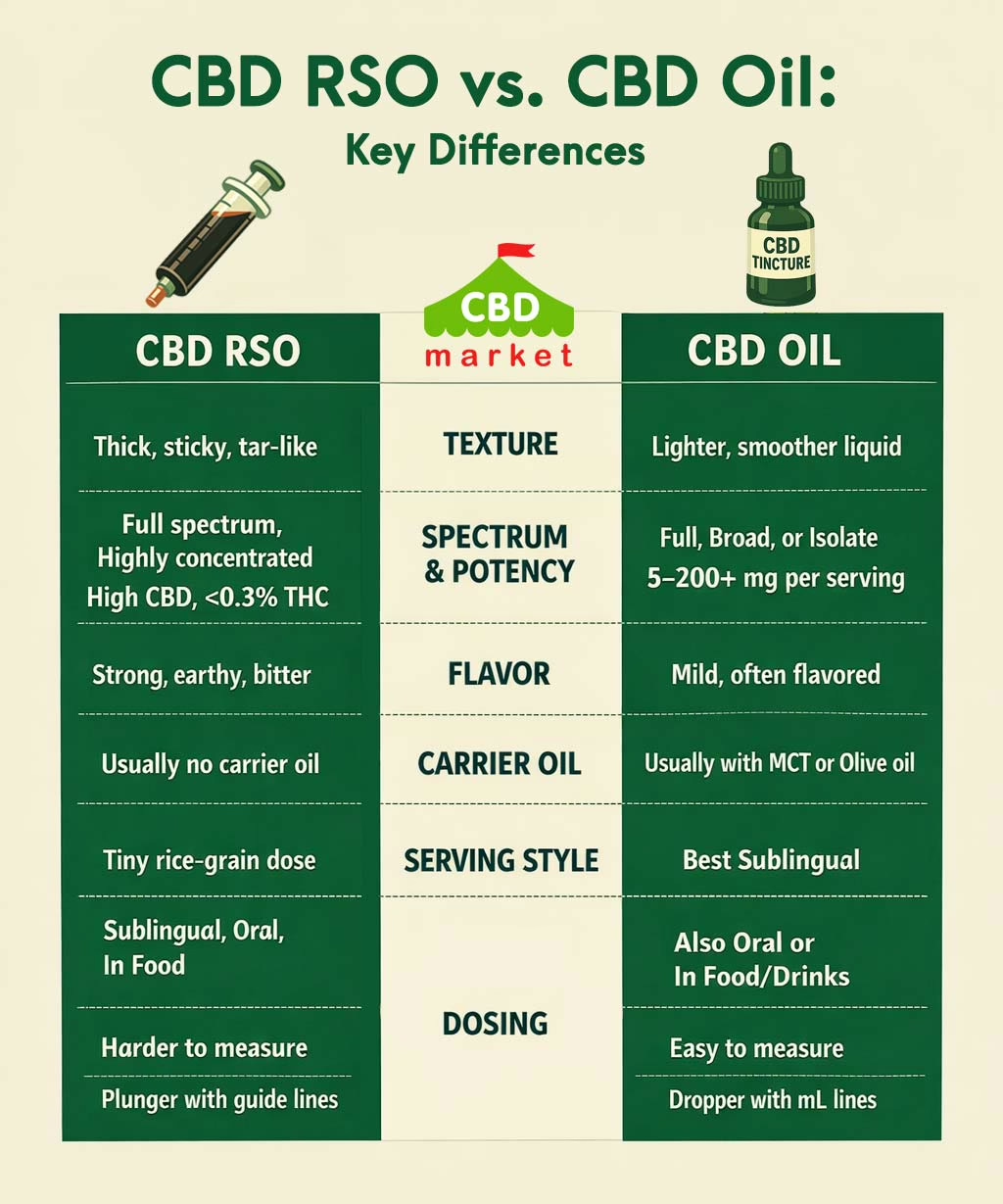
Due to minimal processing, CBD RSO oil is thick, sticky, and tar-like, and it is dark in color. It is packed with compounds from the hemp plant.
CBD oil has a lighter texture because it undergoes additional refinement steps during extraction. It is combined with a carrier oil, so it has a smoother, more liquid consistency compared to CBD RSO.

➥ Concentration and spectrum
As an unrefined extract, CBD RSO is a highly concentrated, full spectrum hemp extract. Since it is unrefined, it has a different chemical profile than refined CBD oil. The original RSO contained high THC levels, but the CBD RSO has a very high concentration of CBD and less than .3% THC as allowed by law.
CBD RSO oil is very potent. A single serving may deliver as much as 400 mg of CBD.
One CBD oil difference is that CBD oil is available as a full-spectrum CBD oil, broad spectrum CBD oil and isolate CBD oil. Broad spectrum CBD oil is THC-free. CBD oil is available in many potencies, from 5 mg to over 200 mg per serving. This allows users to have more options for precisely tailoring the CBD oil experience to personal needs.
➥ Flavor
CBD RSO has a strong, earthy flavor. It is described as bitter-tasting by some people. This is due to its minimal refinement and high concentration of plant compounds. The intense flavor does not appeal to everyone.
CBD oil has a milder taste. Many products are flavored with botanicals like mint and vanilla. Regular CBD oil users appreciate the milder flavor.
➥ Carrier oil
The original pure CBD RSO is traditionally made without carrier oils or other additives. However, some CBD RSO products sold today are mixed with a carrier oil, such as coconut oil. The carrier oil can increase bioavailability and make it easier to control dosing and administration.

Most CBD oil products are made with a carrier oil to dilute a thick extract. The carrier oil enhances bioavailability, supports more accurate dosing, and makes pure CBD taste less bitter.
CBD is fat-soluble, meaning it requires the fat in the carrier oil for best absorption. Carrier oils, such as MCT oil and olive oil, also add nutritional benefits.
➥ Serving style
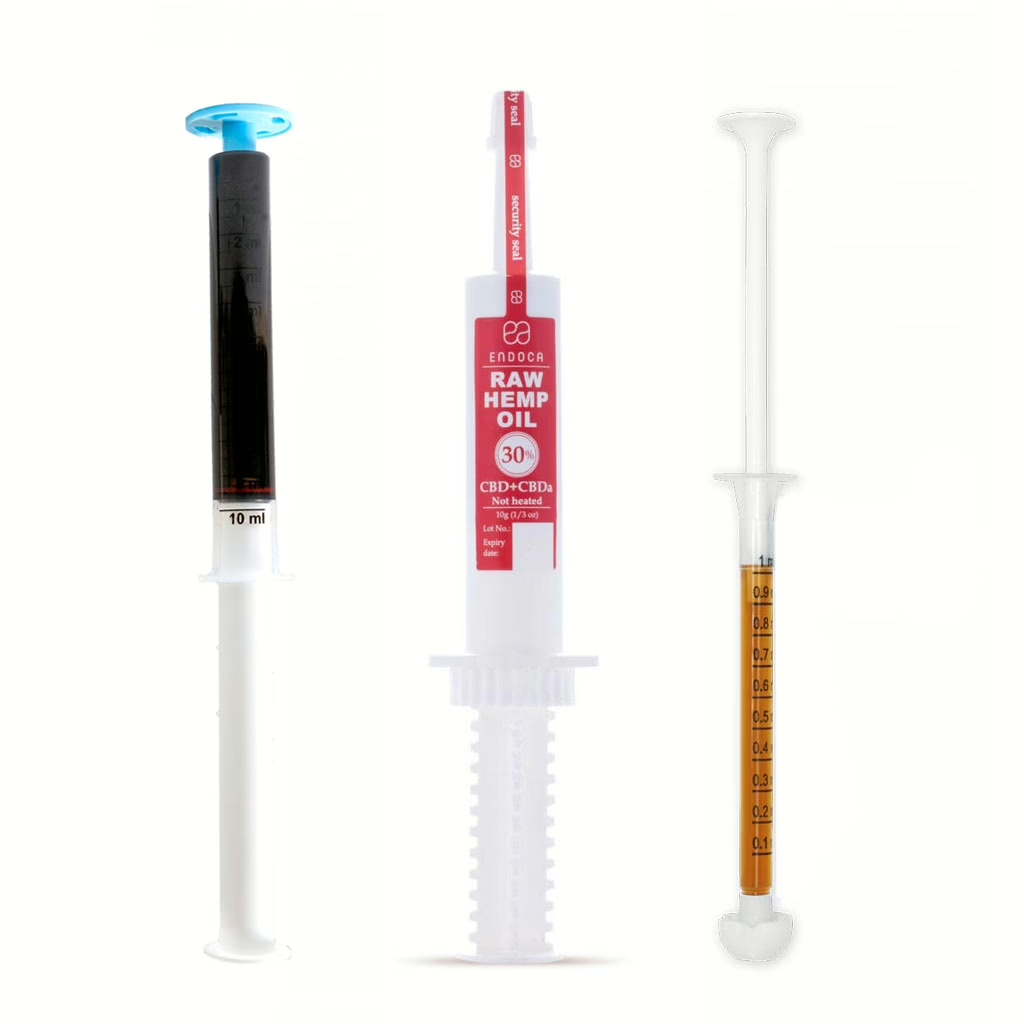
CBD RSO is taken in very small amounts because it is so potent. The oil is sold in a plunger with measurement lines. A typical CBD RSO serving size is approximately the size of a grain of rice. It can be taken sublingually, orally or added to food.
When comparing CBD RSO vs. a tincture, CBD oil is ideally taken sublingually because this method increases bioavailability and the time to feel effects. CBD reaches the bloodstream directly through the mucous membranes in the mouth and bypasses the digestive system.
➥ Ease of measuring
CBD RSO is very thick, making it more difficult to control when measuring with a plunger. When learning how to use CBD RSO, a beginner may want to plunge the dose into a spoon because the plunger measurement lines are clearly visible. Taking it sublingually is the least practical method. The CBD RSO brand will likely provide guidelines for measuring dosage. For example, the oil could be measured by following the plunger lines, or the top of the plunger can be used as a size guide to control the amount of CBD RSO that spreads.
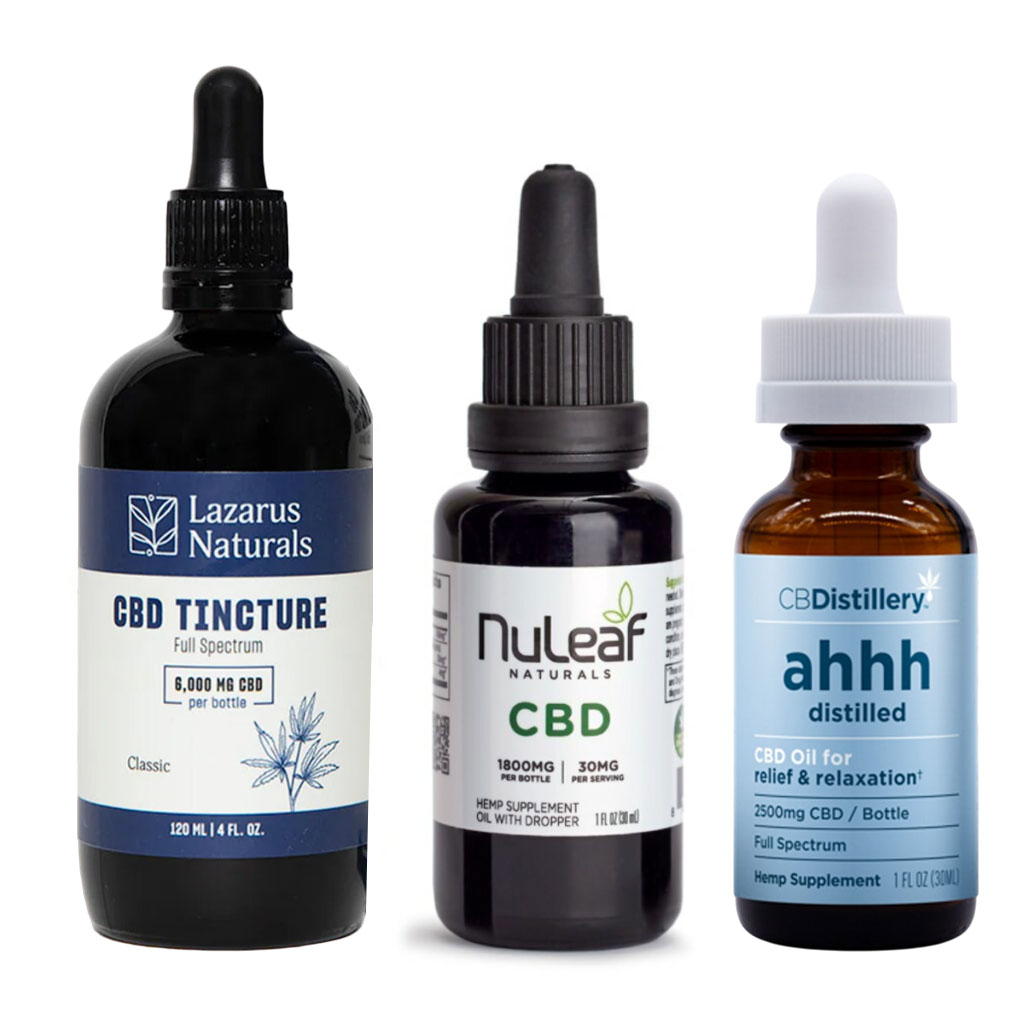
CBD oil comes with a dropper marked with milliliter lines. This enables precise dosing, whether taken sublingually, orally, or added to food or drinks.

When to Choose CBD RSO Oil?
CBD RSO is a good choice for anyone seeking very high potency and a whole-plant extract with minimal processing. Experienced CBD users are more likely to choose the pure CBD RSO. Some of the reasons people choose CBD RSO oil include the following.
- Want to try a highly concentrated CBD product
- Strong flavor is preferred
- Whole-plant extract is preferred
Probably the best CBD RSO for beginners is a modern product that blends carrier oil with the CBD extract.
When to Choose CBD Oil?
CBD oil is a good option for most users, including beginners. It is an easy-to-use product, has been tried and reviewed by millions of consumers, and is considered safe. The precise dosing also makes it a good choice for daily wellness. It is available in many flavors and potencies, and many products have added botanicals, minerals, and vitamins to target specific wellness needs. The CBD oil product lines also offer the three spectrums.
FAQs
Is CBD RSO Stronger Than CBD Oil?
Yes, CBD RSO is stronger on a CBD-per-milliliter basis than most CBD oil products. That is because it is more concentrated. However, it is important to remember that a stronger CBD product is not necessarily the best choice. Each person must assess their tolerance, reason for taking CBD, and ability to manage accurate dosing.
Is CBD RSO the same as Rick Simpson Oil?
The original Rick Simpson Oil was developed as a high-THC product made with extract from the marijuana plant. CBD RSO is a variation because it is made with an extract from hemp plants cultivated to produce high CBD content. This means the cannabinoid profiles are different.
Does CBD RSO always contain THC?
Most full spectrum CBD RSO products have 0.3% or less THC because that is the limit set by federal law.
Similar But Different
There are CBD and RSO benefits. CBD oil and CBD RSO are similar in that they are made from hemp plant extracts, but there are significant differences. The extraction process and the potency and dosage amounts differ. CBD RSO is a full-spectrum extract with high potency, a strong flavor, and a thick consistency. It is a good option for experienced users. CBD oil is less potent but effective, easy to measure, and available in a wide variety of formulations.
The first step in choosing between CBD oil and CBD RSO is to identify personal priorities. For example, does someone want a raw extract or a refined formulation, a strong flavor or a flavored product, or a high-potency or low-to-medium-potency product? The best CBD product is the one that meets wellness needs.
Sources
- https://pmc.ncbi.nlm.nih.gov/articles/PMC12219598/
- https://pmc.ncbi.nlm.nih.gov/articles/PMC10572536/
Share this post
