

Researchers Develop Plastic Made With Hemp-Derived CBD
Scientists at Purdue University and the University of Connecticut developed a new plastic made from hemp-derived CBD. Called polycannabidiol carbonate (pCBDC), the plastic has many of the same characteristics as polyethylene terephthalate (PET) plastic. The study was published in the peer-reviewed journal Chem Circularity and has many implications.
PET vs. pCBDC
Hemp-derived CBD may offer society more benefits than wellness products. Understanding why this is so important requires understanding the dangers of PET plastic.
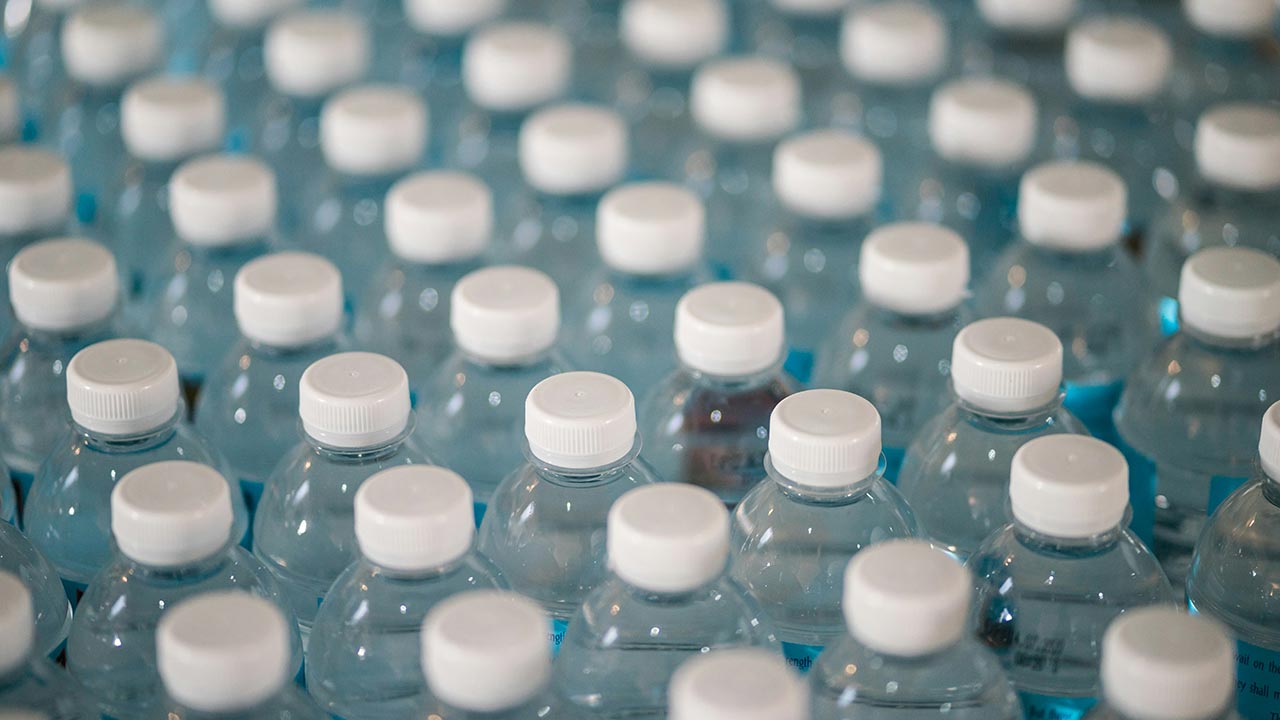
PET is the most commonly used plastic in plastic bottles, food packaging, films, textiles and many other items. It is made from non-renewable natural gas and petroleum. When exposed to sunlight and weather conditions, it degrades into microplastics that absorb pollutants, are consumed by fish and wildlife and then make their way into human food. PET products that are sent to landfills take hundreds of years to break down.
pCBDC is a sustainable alternative to petroleum-based plastics. PET plastics have an ideal combination of strength, durability, heat resistance, and affordability. Finding a bio-based alternative with these qualities has been challenging. Most efforts have yielded alternatives that lacked one or more critical PET properties.
The hemp-based polymer appears to have similar qualities to PET. The researchers said pCBDC has 92% bio-based content and does not require multiple chemical conversion steps before use in manufacturing. Lab testing found the hemp-derived compound exhibits heat resistance, strength and stiffness comparable to PET. Also importantly, it demonstrated exceptional stretchability during manufacturing. Lack of stretchability has limited the use of bio-based plastics.
pCBDC is More Sustainable
With these properties, pCBDC may eventually compete with PET and other materials used in everything from packaging and fibers to electronic components and insulation. Since pCBDC is a natural polymer building block that does not need extensive chemical modification before use, it could reduce manufacturing complexity. In addition, it may lower greenhouse gas emissions compared to other current bio-based plastic technologies.
“By combining renewable resources with comparable performance and process-driven property control, pCBDC offers a practical route to lessen the environmental footprint of thermoplastics and support the shift toward more sustainable polymer technologies,” wrote the study authors.
Hemp also does not directly compete with food crops. A PET alternative called polyethylene furanoate (PEF) is made from agricultural sugars derived from corn, sugarcane, sugar beet and wheat. Also, pCBDC would boost the hemp industry, which faces increasing regulatory challenges worldwide. Creating a use for CBD outside the wellness industry would present a significant opportunity.
Next Steps
This study is just the beginning. It did not complete a full life-cycle assessment or detailed economic analysis. Determining whether meaningful environmental or cost advantages in commercial operations are difficult without this information. Also, the laboratory production process uses triphosgene, a chemical used in research. A greener alternative is needed for widespread manufacturing.
The next research steps will focus on developing more sustainable production methods, reducing solvent use, increasing recyclability and enabling large-scale manufacturing. If future studies demonstrate that hemp-derived CBD has value far beyond cannabinoid wellness products, a new industrial market will emerge.
Share this post
