

Hemp Law Uncertainty Slows Medicare CBD Rollout
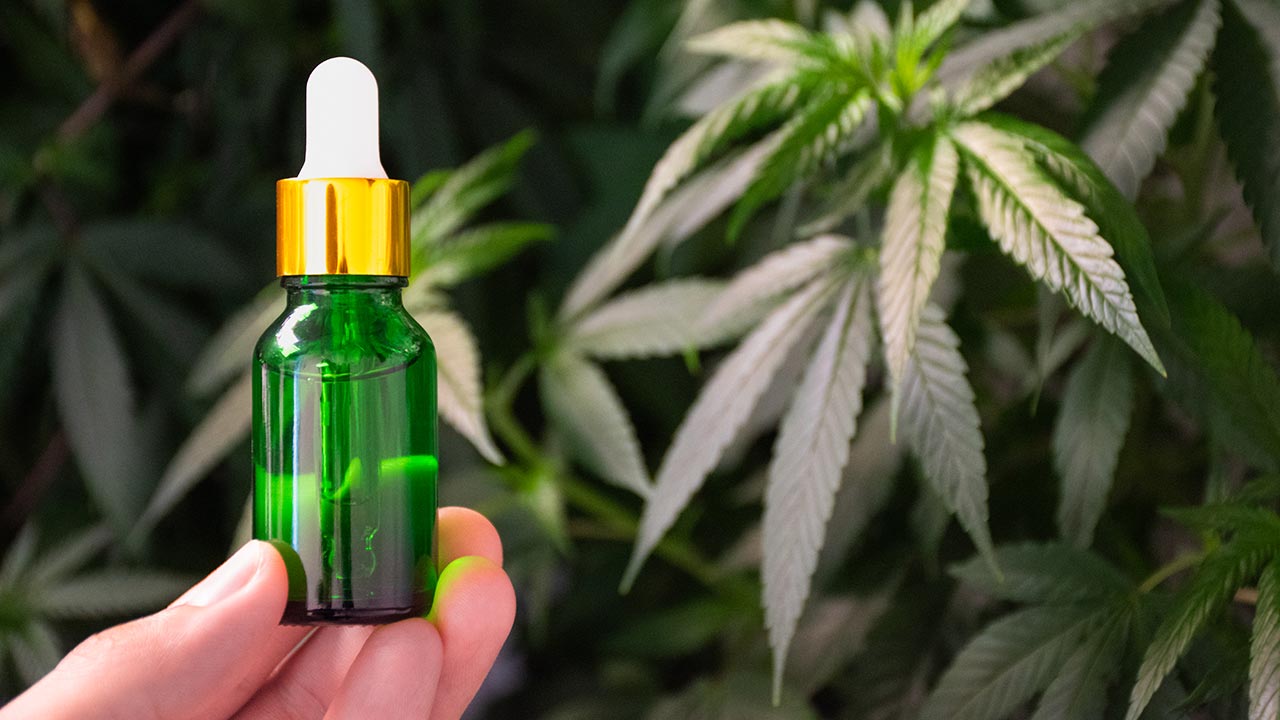
Six months after its April 1 launch, a federal program letting Medicare care networks buy hemp-derived CBD for seniors has barely moved. Providers are waiting to see whether Congress softens the December hemp ban.
According to a spokesperson for the Centers for Medicare & Medicaid Services (CMS), only six of the 74 accountable care organizations (ACOs), networks of doctors and hospitals that share care and costs for one group of Medicare patients, have approval to offer CBD products under the ACO REACH model. The agency would not say how many of those six are handing products to patients. Patients in New York and Florida began receiving products in May.
Charlotte’s Web reported no program revenue for the second quarter and told investors in August the effort was still in early build-out. cbdMD also showed no program sales; its only Medicare-related line was roughly $200,000 in professional fees. Cornbread Hemp, which became the exclusive hemp supplier to Alliant Purchasing in March, a buyer for about 68,000 provider locations, would not say whether it has received orders. High Tide’s NuLeaf Naturals brand is in talks with three ACOs but has no supply deals.
Jim Higdon, co-founder of Cornbread Hemp, said ACOs and hospital groups see no reason to launch a program that may have to close within weeks, so they are holding their budgets until Congress acts.
Jonathan Miller, general counsel for the U.S. Hemp Roundtable, put it plainly: “The CMS program simply cannot work if the 0.4 mg/container requirement goes into effect.”
He added that most CBD products on the market exceed that THC limit. Miller still expects lawmakers to act before December 11, when federal funding also runs out.
President Donald Trump announced the plan at the White House in December 2025. Medicare itself does not pay for the products. Each ACO spends up to $500 per patient per year from its own budget, and a clinician hands out the items. Eligible products may contain no more than 0.3% delta-9 THC and 3 milligrams of THC per oral serving, and they need third-party testing.
The finished product must contain no more than 0.4 milligrams of THC per container under the new definition of hemp approved by Congress in November 2025. The rule was due to start on November 12, but a bill passed in September moved that date to December 11. According to CMS, eligible items must comply with any limits lawmakers set later, which means a product reclassified as non-hemp automatically drops out of the program. U.S. House members Andy Barr, a Kentucky Republican, and Angie Craig, a Minnesota Democrat, proposed replacing the per-container cap with a 1% total-THC threshold and adding the incentive to federal law, though their bill has not yet left committee.
Share this post
