

Chicago Mayor Johnson Vetoes Ban on Hemp-Derived THC Products
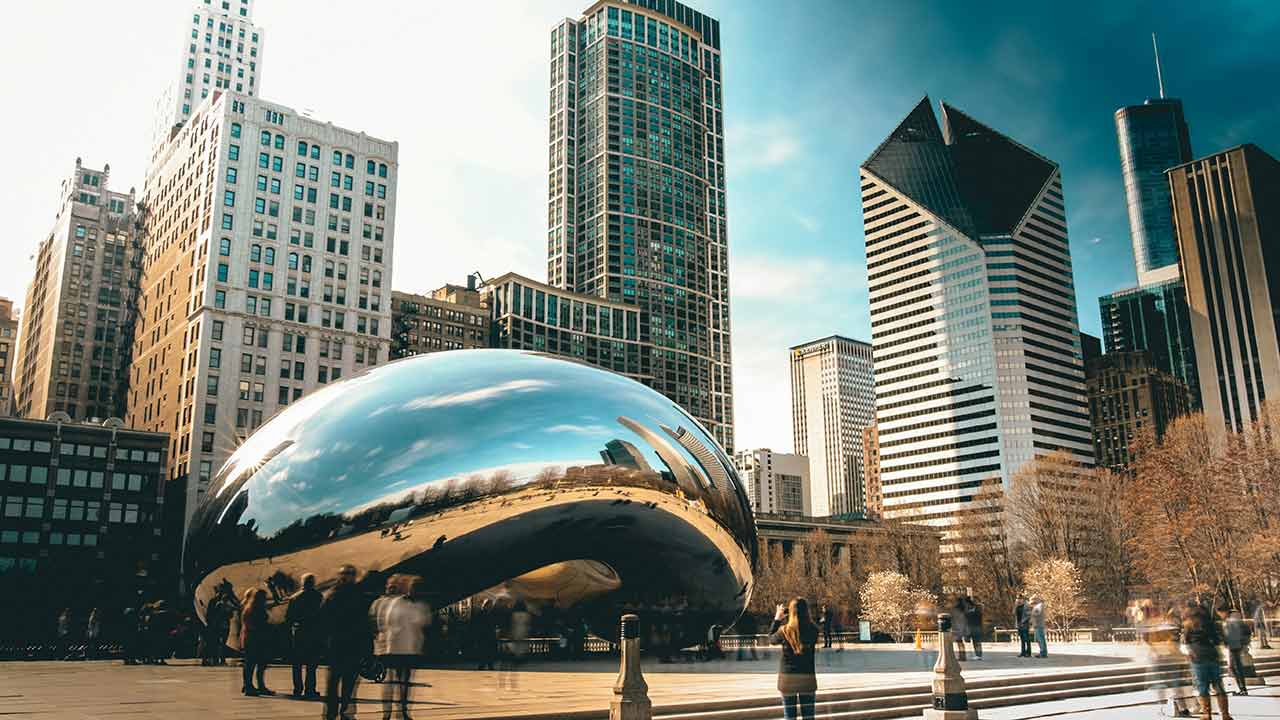
Chicago’s Alderman Marty Quinn had submitted a proposed law to the Chicago City Council that would make the sale of hemp-derived THC products illegal unless sold by licensed cannabis dispensaries and liquor-licensed establishments. Chicago Mayor Brandon Johnson vetoed the bill because it could drive small hemp retailers out of business.
The proposal included all THC products, meaning even popular beverages sold at the United Center would become illegal. People opposing the ban of THC believe it would disproportionately impact small businesses that sell hemp products as an entry point into the THC market. The Mayor also believed that neighborhood businesses operating within the law and responsibly could be harmed.
Mayor Johnson said, “We cannot claim to support equitable economic development while advancing policies that concentrate the market in the hands of a few large entities.”
There are large multi-state cannabis businesses headquartered in Chicago. One of the issues in Illinois is that the cannabis licensing process is difficult to navigate due to many barriers to entry, including a cap on the number of stores allowed in the state.
Hemp is big business in Chicago, with retailers generating approximately $475 millions in annual sales. Banning hemp-derived THC products would reduce the $30 million in sales tax revenue that the city collects. The Hemp advocacy group Illinois Healthy Alternatives says the state hemp industry also generates $5 million to $7.5 million in licensing fees.
Even with Mayor Johnson’s veto, there is still significant uncertainty in Illinois’ hemp industry. The uncertainty extends to all the U.S. states. There are active and vocal groups opposing the sale of hemp-derived THC products, including public health advocates.
Congress has already passed a law that effectively bans the sale of any products with THC by setting the amount so low that only isolate CBD products would remain legal. It takes effect at the end of 2026. If the federal law is allowed to take effect without changes, most hemp-derived products will become illegal. By federal definition, a “trace” of THC means even THC-free CBD products may contain a minimal amount of THC.
Mayor Johnson has brought to the forefront the issue of balancing consumer safeguards with fair and equitable market access. It is a bit puzzling as to why CBD products would be banned since any delta-9 THC in them is limited to a non-intoxicating level. A bigger concern is the production of CBD products that contain cannabinoids like delta-8 THC or delta-10 THC.
Share this post
