

Alternatives to Full Spectrum CBD When the Laws Make It Unavailable
Note: The following information reflects the federal laws as of November 14, 2026. State laws and subsequent federal law changes may change, impacting product availability.
Full spectrum CBD has been a very popular choice for people who want the benefits of all the natural compounds the hemp plant offers. The full spectrum CBD (cannabidiol) extract contains minor cannabinoids, flavonoids and terpenes, but it also contains a legal amount of THC (tetrahydrocannabinol). However, changing federal and state laws and regulations are making these products harder to buy. If you prefer these products and they are no longer available to you, you still have options. The alternatives include broad spectrum and isolate CBD products. Understanding the differences between these CBD spectrum options can help you keep CBD in your wellness routine.
TL;DR (Too Long; Didn’t Read):
New federal laws taking effect in November and December 2026, along with restrictive state laws, are making it difficult or impossible for many consumers to buy full spectrum CBD products. However, finding an alternative is not difficult.
Broad spectrum CBD is an option because it contains CBD and other hemp plant compounds but has no detectable THC in any form. Another option is CBD isolate, which is THC-free and pure CBD. Both options comply with federal laws.
Table of Contents
Why You Can’t Buy Full Spectrum CBD Anymore (in some US states)
Full-spectrum CBD has been one of the most popular choices because the product contains all of the hemp plant’s compounds. Changes in federal and state laws and regulations are making it more difficult for some consumers to continue buying these products as retailers remove some products from their shelves and websites to comply with legal changes.
State laws vary. Some states are implementing a THC ban. There is a growing number of states implementing laws to regulate any product containing THC and THC derivatives strictly. They are also imposing restrictions on manufacturers and retailers.
The federal government implemented new restrictions on products containing cannabinoids as of November 12, 2026. These restrictions ban cannabinoids that do not occur naturally in the hemp plant, including delta-8 and delta-10.
Also, effective December 11, 2026, the definition of legal hemp products is redefined. The hemp ban says a product cannot contain more than 0.4 milligrams of total THC per product container. The new limits mean many full spectrum CBD products may exceed the federal threshold and can no longer be sold.
Notice that the new federal law updating the 2018 Farm Bill does not ban CBD, and it is not a THC ban. It makes many full spectrum CBD products illegal because standard amounts of CBD oil used in hemp-derived products often are greater than the 0.4 milligrams per-container limit.
Best Alternatives to Full Spectrum CBD
If you are unable to buy full-spectrum CBD where you live, it is possible to continue taking CBD. There are two main full spectrum CBD alternatives: broad spectrum CBD and CBD isolate. Both are CBD extracts, but they differ in the hemp compounds they contain.
Broad Spectrum CBD is the Closest Alternative
Broad-spectrum CBD is the closest alternative to full-spectrum THC because it has many compounds found naturally in the hemp plant. The main difference is that THC is removed during the processing of the plant extract.
This has been the choice of people who want to take CBD but avoid THC. Now the broad spectrum CBD oil is the best alternative for people who cannot access full spectrum CBD in their area. Though broad-spectrum CBD is THC-free or has only a trace, there are many benefits to taking broad-spectrum CBD.
- Contains all cannabinoids, such as CBC, CBG, CBN, etc.
- Delivers terpenes, the aromatic compounds that some research has found may enhance the effects of CBD oil(2)
- Delivers flavonoids, believed to enhance the potential therapeutic effects of cannabinoids(3) THC, the psychoactive cannabinoid, is removed as much as possible to make a THC-free product
- Retains more of the hemp plant’s compounds compared to CBD isolate
Some broad spectrum CBD products may have a trace of THC unless the manufacturer ensures it is THC-free. The best way to identify a true THC-free CBD extract is to review the Certificate of Analysis (COA) that an independent, third-party laboratory prepared.


THC-Free CBD Isolate is a Second Alternative
CBD isolate is a hemp plant extract processed to produce nearly pure CBD. The hemp-derived CBD extract goes through additional manufacturing steps to purify it. All the naturally occurring hemp compounds are removed, leaving concentrated CBD.
Most CBD isolate products contain 98% to 99% CBD. Purity varies among products. The Certificate of Analysis (COA) mentioned earlier is the best source of information and should confirm purity.
CBD isolate may be the best alternative to full-spectrum CBD for the following reasons.
- You want to avoid taking THC in any amount
- You prefer pure products, so there are no questions about contents, formula, etc.
- You want to know the precise amount of CBD you are taking
- You want to evaluate the effects of only CBD
- Easier to find in some areas than broad-spectrum CBD products that meet federal and state legal requirements



More Options
If you cannot buy full-spectrum CBD products, you still have options when shopping for CBD products.
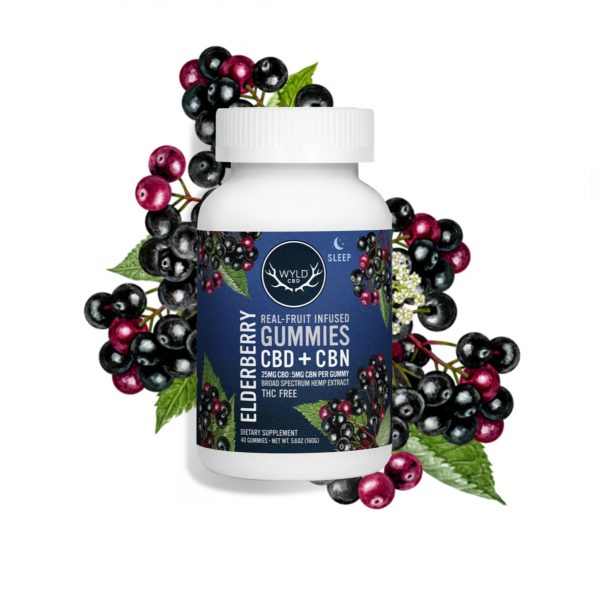
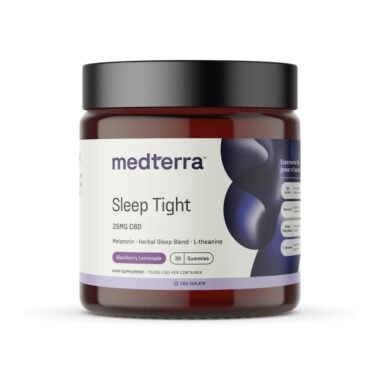
You may not be able to buy products with THC, but there are CBD products that have minor cannabinoids added to formulas to create targeted formulations. For example, CBD may be combined with CBN for sleep support or CBG for relaxation. The targeted formulations are available with broad-spectrum CBD and CBD isolate.
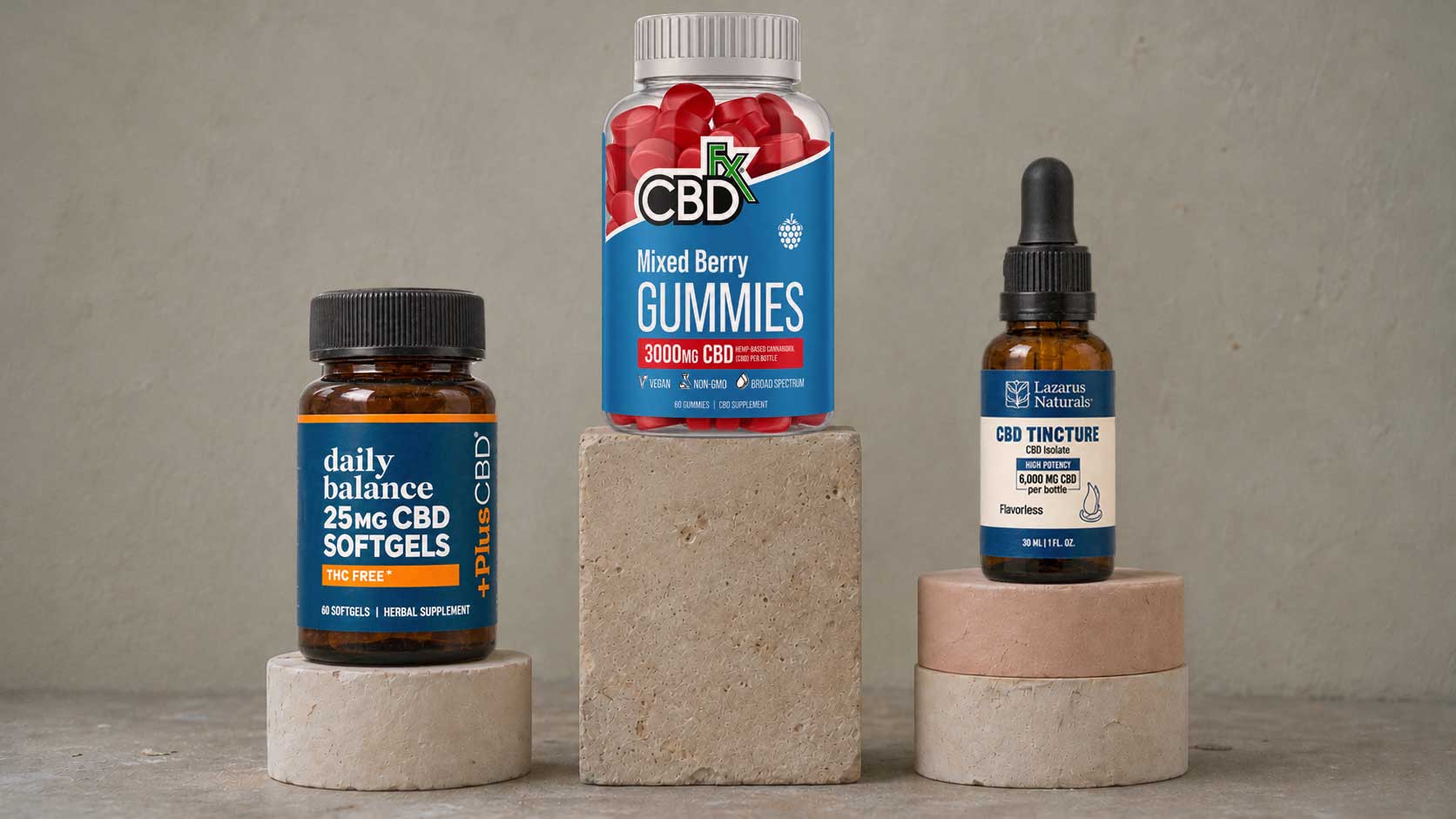
Another option is to keep shopping for CBD products in your favorite form, but made with broad spectrum or CBD isolate. The broad-spectrum and CBD isolate alternatives are available as oil, tincture, gummies, capsules, or softgels.
How to Switch From Full Spectrum to Broad Spectrum or Isolate?
Switching from full spectrum to broad spectrum or isolate CBD is not difficult, but you do need to pay attention to the effects you experience. Different formulations will not produce identical results.
The following are some suggestions for transitioning.
1. Identify the amount of CBD currently used
One of the first steps is to check the CBD potency of your full-spectrum CBD product. Look at the total CBD milligrams per serving in your current product.
2. Shop for a replacement CBD product with the same CBD potency
Broad-spectrum CBD and CBD isolate products can deliver the same CBD milligrams per serving. Remember, this is only a starting point because the other ingredients may differ from what you are currently taking.
3. Decide if you want to avoid THC
If you decide it is time to ensure you avoid THC, then CBD isolate is the best option. If you prefer broad-spectrum CBD products because their formulations include other cannabinoids, then review the COA to confirm THC was not detected. This means there was not enough trace THC to be detected at the laboratory’s detection limit. It will be noted as ND.
It is important to remember there is no guarantee that any CBD product with even a trace of THC will not show up on a workplace drug test. However, since you are switching from a full-spectrum CBD product, the risk may not be a concern.
4. Review the Certificate of Analysis (COA)
The COA provides information to help you decide which CBD product is a good choice.
- CBD per serving
- THC amount and whether it is ND (not detected)
- Minor cannabinoid concentrations
- Results of testing for heavy metals, pesticides, microbials, and residual solvents
- Batch number that matches the CBD product of interest
5. Assess the effects experienced with the new CBD product
When switching CBD products, it is always good to keep a journal. You can record the product type, CBD serving size, when you took the CBD, and the effects you felt. If you were using full-spectrum CBD for a specific reason, like improved sleep or to support calm, pay close attention to whether the new formulation fits your routine and produces similar effects.
Give yourself time to experience the effects of the CBD product over a couple of weeks, and resist increasing the CBD potency or servings too quickly if you do not think the effects are strong enough. The broad-spectrum CBD or CBD isolate product may feel different, and you need to give your body time to adjust.
Love a Full Spectrum Product From a Specific Brand? How to Find Its Alternative on CBD.market
Say you’ve used the same 1,500 mg full spectrum oil from one brand for a year. You know the taste, the dropper size, and how much you take each evening. If that product stops shipping to your state, here is how to find the closest THC-free match on CBD.market, starting with the same brand.
| Step | What to do | Where on CBD.market |
|---|---|---|
| 1. Write down what you like about your current product | Note five details: • format (oil, gummies, capsules, topical) • CBD per container • CBD per serving • added cannabinoids (CBG, CBN) or terpenes, flavor • price per mg of CBD All of these numbers are on the label or in the product’s COA. | Your current product’s label and COA |
| 2. Check the brand’s page for a THC-free version | Many brands sell the same product line in a full spectrum and a broad spectrum or isolate version. Charlotte’s Web, cbdMD, CBDistillery, Lazarus Naturals, and Joy Organics all carry both types. Look for “Broad Spectrum,” “THC-Free,” or “Isolate” in the product name. | By Brands → your brand (or All CBD Brands) |
| 3. Search for the product line name | Type the line name without “full spectrum,” for example, “Medterra sleep gummies.” The results will show every version of that line, including THC-free ones. | Search bar at the top of any page |
| 4. If the brand has no THC-free version, browse the THC-free category | Narrow the results to the format and strength you wrote down in Step 1. | Shop CBD → THC-Free |
| 5. Match the extras | If your product had added CBN or CBG, check those categories for THC-free options with the same cannabinoid. If flavor matters to you, pick products that list their terpenes. | CBG, CBN, CBC categories |
| 6. Compare COAs side by side | Open the lab report for your old product and the new one. Compare total CBD per container, total THC (the replacement should show ND, meaning non-detect), and the list of minor cannabinoids. | Product page → Lab test results |
| 7. Compare price per mg of CBD | Divide the price by total mg of CBD. A $60 bottle with 1,500 mg costs $0.04 per mg; a $45 bottle with 1,000 mg costs $0.045 per mg. The smaller bottle looks cheaper but costs more per serving. | Product pages |
| 8. Can’t find a match? Send a product request | Tell us the brand, product line, format, and strength you’re looking for. Save any close options to your Wishlist so you can compare them later. | Product Request form |
Find Your Match on CBD.market
| Your product | Closest THC-free match | Format | CBD per container | Extras |
|---|---|---|---|---|
| cbdMD CBD Oil Tincture, Full Spectrum 1500 mg | cbdMD Broad Spectrum Oil 1500 mg | Oil, 30 ml | 1,500 mg | — |
| Slumber Full Spectrum Gummies with CBN | Slumber THC-Free Gummies with CBN | Gummies, 30 ct | 750 mg/1200 mg | CBN |
| CBDistillery Full Spectrum Softgels | CBDistillery Broad Spectrum Softgels | Capsules, 30 ct | 900 mg | — |
FAQs
Is Full Spectrum CBD Legal Right Now?
Full spectrum CBD is legal right now. However, a new federal law taking effect changes its legal status.
The amended 2018 Farm Bill, taking effect on December 11, 2026, says a whole CBD container cannot contain more than 0.4 mg of total THC. This means most products currently sold will no longer be legal hemp-derived products. They were formulated to meet the current federal hemp law that sets a limit of 0.3% THC on a dry weight basis.
State laws are more complicated. Various states have laws and regulations that either ban THC or place restrictions on the THC amount allowed in the package or bottle.
CBD manufacturers may develop new full spectrum CBD products in the future. Always check federal and state laws before purchasing CBD products.
Is Full Spectrum CBD Going to be Banned?
The new federal law does not specifically prohibit the sale of full spectrum CBD. Instead, it changes how hemp is defined and establishes restrictions on certain cannabinoid products.
CBD is not banned. Some full spectrum CBD products could remain federally legal if they have less than 0.4 mg of total THC. Remember, state laws also regulate the manufacturing and sale of CBD products.
How Do I Find a THC-free Version of my Favorite CBD Product?
A good place to start shopping for alternative CBD products is CBD.market, where you can find various brands and product forms, including broad spectrum and isolate CBD formulations. For example, if you use a full spectrum CBD tincture and take 25 mg of CBD per serving, look for a broad-spectrum or isolate tincture with the same per-serving CBD potency.
Some things to consider when shopping.
- Look for a CBD product with a similar CBD potency.
- Look for CBD products with a current, accessible COA showing THC is not detectable.
- Check the ingredients for additional items like melatonin, artificial flavors, allergens, etc.
- Choose a product with the same carrier oil, like MCT oil, which helps with cannabinoid absorption in the body.
- Shop CBD brands that sell high-quality products and are transparent about product contents.
There Are Always Options
You do not have to stop taking CBD just because full-spectrum CBD is not available for purchase. There are alternatives, with broad spectrum CBD the closest. It contains all of the hemp compounds except THC. CBD isolate is another option, the simplest extract. Federal and state hemp laws and regulations continue to evolve, making transparency crucial for CBD brands. Transparent brands make the COA accessible so that you can verify THC content, in addition to the CBD and other cannabinoid amounts. Always choose a formulation that you believe will meet your personal needs and is legal.
Sources
- https://www.congress.gov/crs-product/IF13136
- https://pmc.ncbi.nlm.nih.gov/articles/PMC8050080/
- https://pmc.ncbi.nlm.nih.gov/articles/PMC7931196/
- https://pmc.ncbi.nlm.nih.gov/articles/PMC10892205/
Share this post
