

Congress Could Revisit CBD Rules Before December
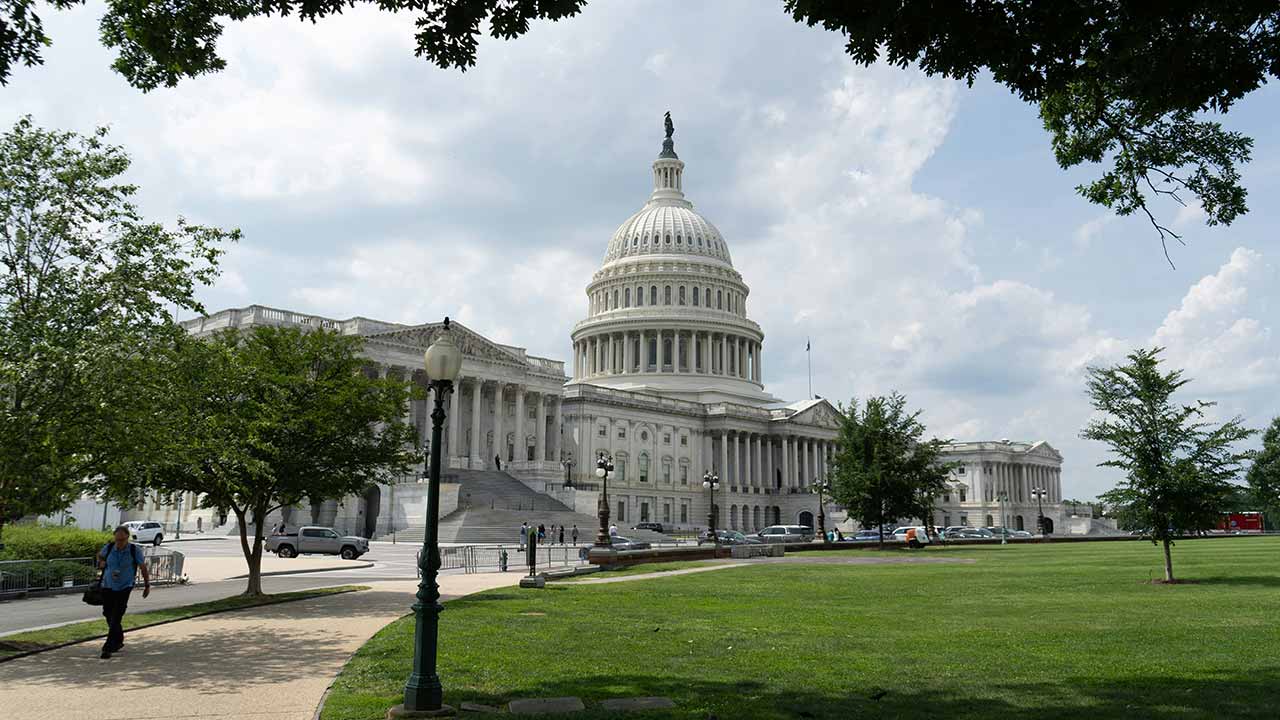
U.S. lawmakers could revisit federal hemp restrictions after November’s midterm elections, raising hopes for an agreement as uncertainty continues to hold back participation in a federal CBD initiative.
We previously reported that uncertainty over upcoming federal hemp rules was slowing the CBD initiative’s rollout. Care networks considering participation have been waiting for clarity on whether eligible CBD products will remain available under upcoming federal rules.
The new development is growing industry confidence that Congress could address those restrictions after the election. Jonathan Miller, general counsel for the U.S. Hemp Roundtable, expects renewed movement, although the contents of any agreement remain undecided.
According to Miller, CBD is a leading priority in congressional discussions. Preserving access to products intended for the federal initiative could help shape a compromise. However, a solution would not necessarily cover every hemp product currently sold.
The future of hemp flower and vaping products remains uncertain. Beverages are also part of the debate, but Miller indicated that an agreement protecting drinks alone would be unlikely.
Potential safeguards include product testing, accurate labeling, manufacturing standards, age restrictions and packaging requirements. Restrictions on hemp imports from China are another possibility. These remain ideas under discussion rather than finalized requirements.
Miller assessed:
“We’re not sure what will be in it, but we feel really good about it.”
For organizations evaluating participation, a clearer federal framework could provide a stronger basis for purchasing decisions. Until Congress acts, however, the obstacle described here remains: committing resources to products whose future eligibility is uncertain.
That report noted that six of 74 care networks had approval to offer CBD through the ACO REACH model. Approval did not establish how many were distributing products. The initiative allows participating organizations to spend their own funds, up to $500 per eligible patient annually. Medicare does not pay for the products directly.
The uncertainty stems from a federal hemp definition approved in 2025. It establishes a threshold of 0.4 milligrams of THC per container, which many existing CBD products exceed. Most restrictions were subsequently postponed until December 11, 2026. Products that lose their hemp classification would also become ineligible for the initiative.
The latest report therefore offers a possible route forward for an already stalled rollout. The next question is whether congressional negotiations produce an agreement before the December deadline.
Share this post
