

Lawful Hemp Protection Act Introduced in Congress
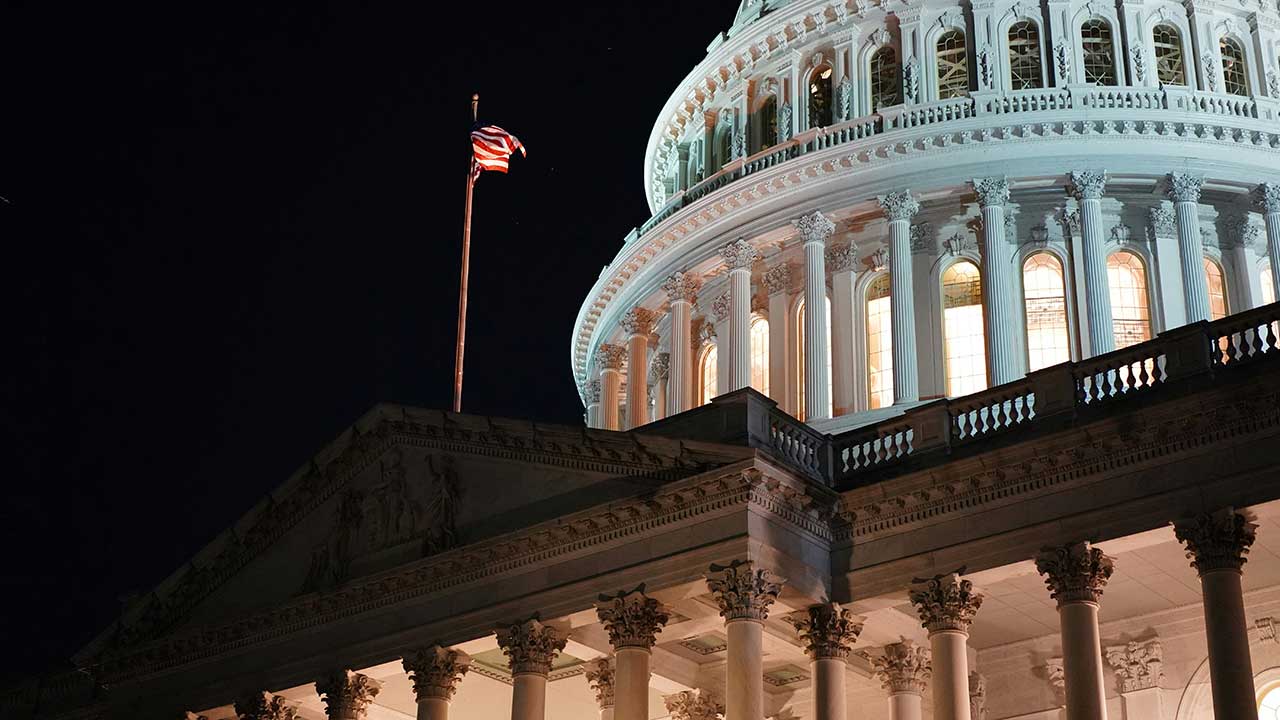
On July 22, 2026, the Lawful Hemp Protection Act was introduced in Washington, D.C. Instead of allowing the upcoming federal restrictions to take effect, the bill would create uniform national standards for hemp cultivation, manufacturing, testing, and labeling. It would also prohibit synthetic cannabinoids in finished hemp-derived products.
Republican Representative Andy Barr of Kentucky and Democratic Representative Angie Craig of Minnesota introduced the Lawful Hemp Protection Act to replace federal rules set to take effect on November 12, 2026. Сurrent language could remove hemp-derived products from the market.
Barr said the bill would provide farmers with certainty while creating national standards.
“The Lawful Hemp Protection Act protects Kentucky agriculture, safeguards consumers, and establishes a commonsense regulatory framework that allows this important industry to continue to grow,” he said.
The proposal would establish separate regulatory categories for industrial hemp and consumable hemp products. It would set a one-percent total THC limit on a dry-weight basis and require testing throughout production.
Under the bill, consumable cannabinoid products would have to be cultivated and processed in the United States. These products could only be sold to people aged 21 and older, and businesses would have to follow rules aimed at preventing sales to minors.
The legislation would prohibit synthetic and artificially modified cannabinoids. It would direct the Food and Drug Administration to create maximum cannabinoid serving limits. If the agency did not act within 12 months, fallback limits would apply: 5 milligrams of THC per serving for ingestible products and 50 milligrams for inhalable and topical products.
The measure would oversee hemp beverages and preserve interstate transportation, and allow states, territories, and Tribal governments to adopt stricter standards. Proposed taxes include five cents per milligram of THC in hemp beverages and a five-percent tax on other qualifying products.
The 2018 Farm Bill legalized hemp and helped create a nationwide market for CBD products. New federal rules set to take effect in November 2026 would introduce a much stricter THC limit. Industry organizations say the limit is too low for many existing products and could force them off the market. The proposed bill aims to stop this from happening and create clearer federal rules for hemp products.
Share this post
