

CBD Cream vs. Salve
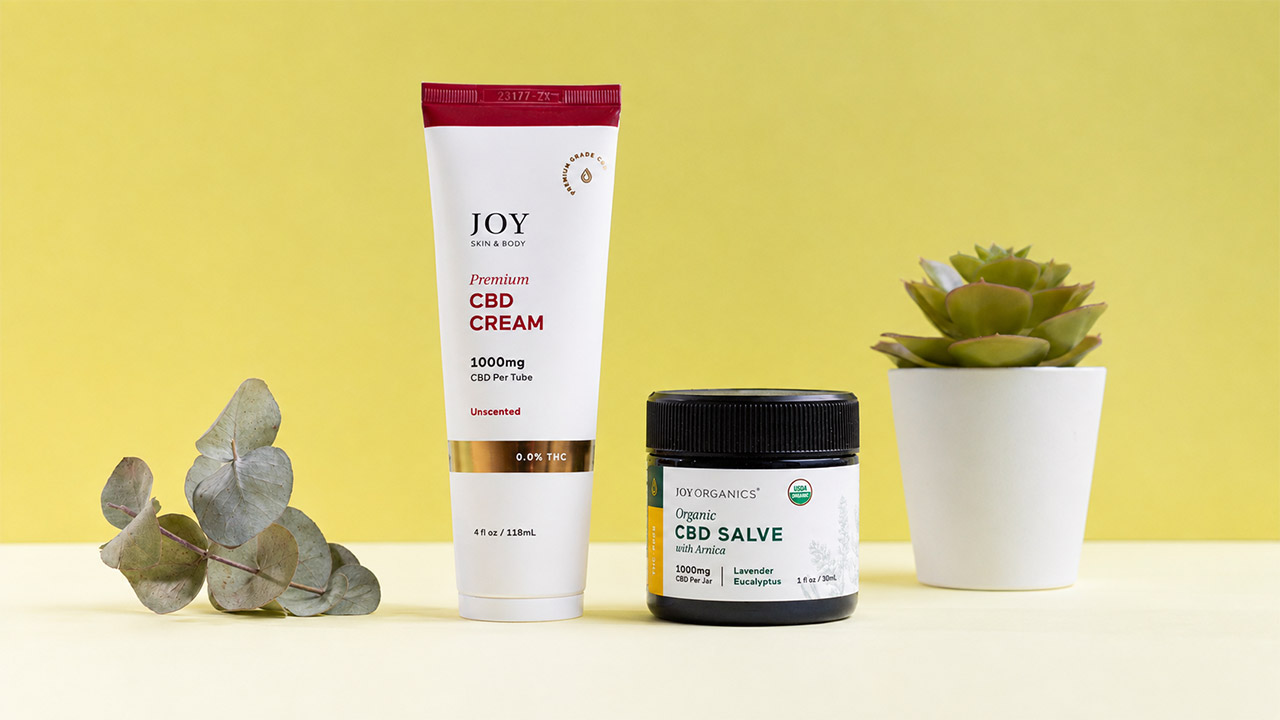
The CBD market is full of choices, including whether to buy a water-based cream or a wax-based salve. Both are CBD (cannabidiol) topicals, but they have different formulations and feel different on the skin. The primary difference between the two product forms lies in their bases. CBD creams contain water, while salves are waterless. This difference affects everything from skin absorption and texture to how the product functions in hot weather. However, other factors affect how well a CBD topical performs. They include the potency and other ingredients that target skin health and penetration.
TL;DR (Too Long; Didn’t Read):
Creams are formulated with CBD oil and emulsifiers that bind oil and water-based liquids. They have a lighter texture than CBD salves, so they spread easily and dry down more quickly.
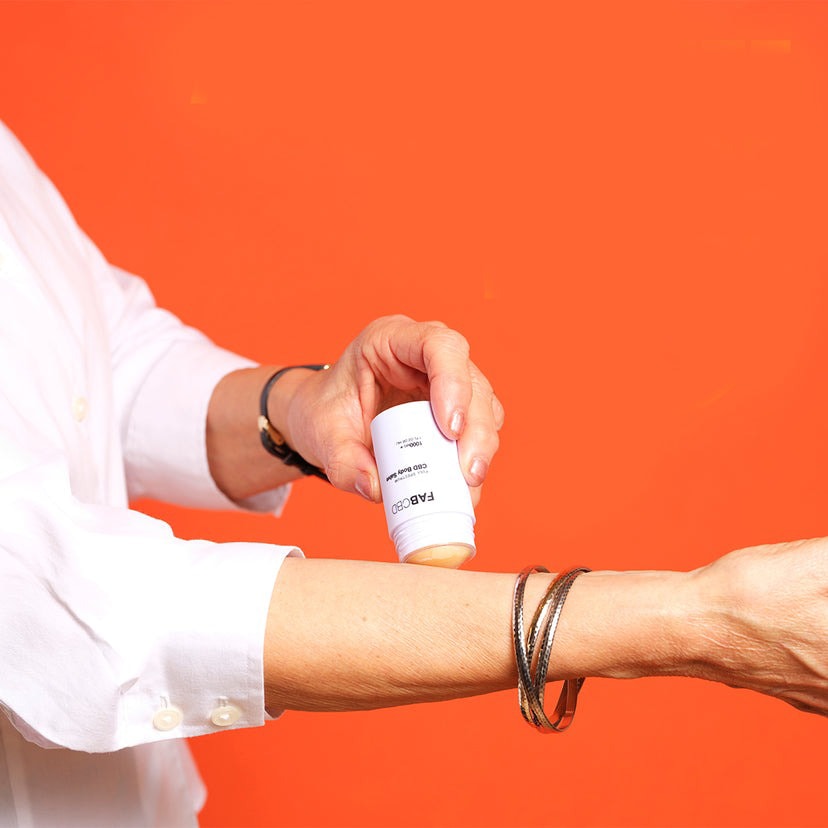
CBD salve is made with waxes, butter, and oils. It has a thicker consistency and is also more occlusive, meaning it forms a barrier on the skin. The type of CBD topical does not mean one is stronger than the other or more effective.
Table of Contents
CBD Salve and Cream Formulas
The primary difference between a cream and a salve is the base used in the formula. The base determines the texture of both types of topicals.
Creams
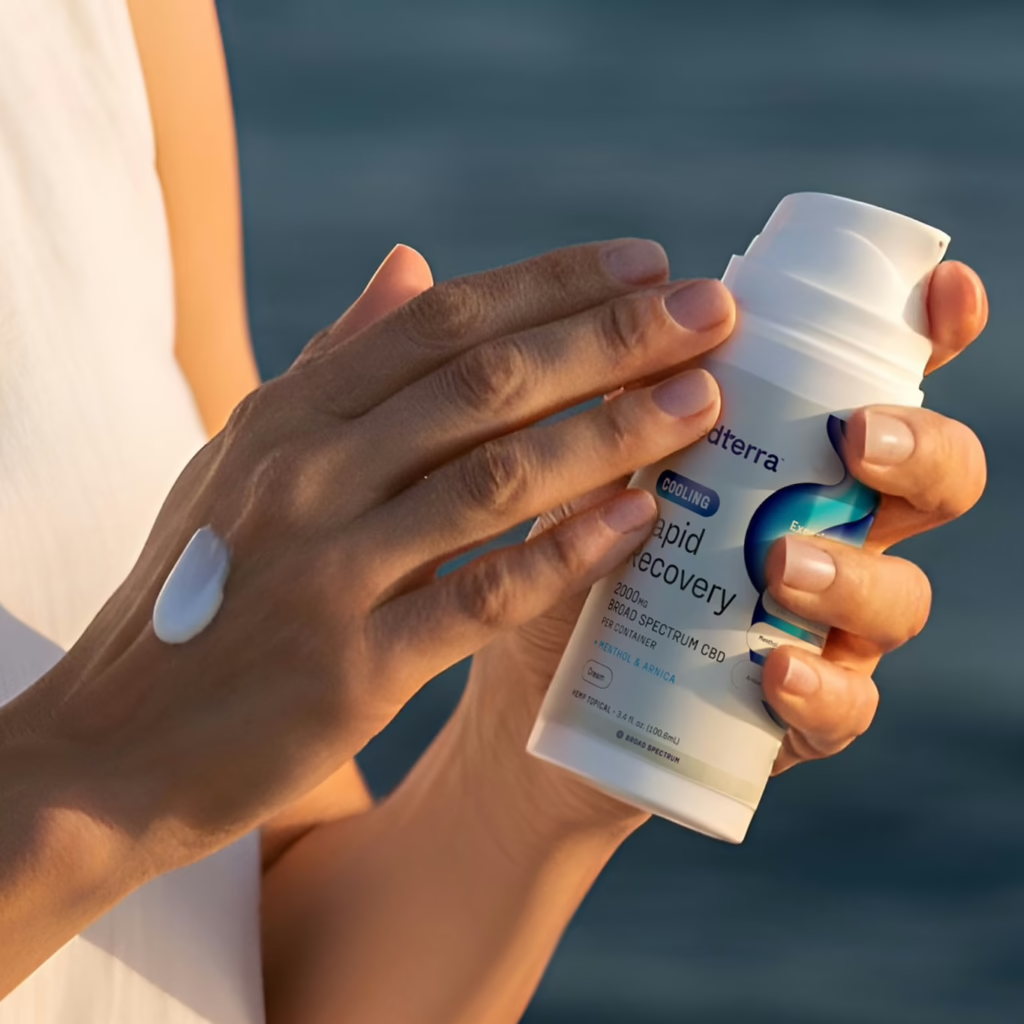
CBD creams are usually formulated with CBD, oils, and a water emulsion. CBD extracts are highly fat-soluble and will not mix well with water or water-based ingredients, such as aloe vera juice.
The first step in making a CBD cream is extracting cannabidiol from the hemp plant, producing oil or isolate. CBD oil is dispersed in the oil phase, which includes carrier oils and emulsifiers. If CBD isolate is used, the cannabinoid is dissolved in the oil phase.
After the CBD is dispersed or dissolved in carrier oils, it mixes more evenly, improving absorption. The purpose of emulsifiers is to force water and oil to mix, two elements that normally repel each other. The CBD-based mixture may then be combined with various botanicals and other ingredients to form a stable, evenly spreading cream.
Without the emulsifier, the CBD oil and water could separate over time, usually due to storage conditions. The CBD is shielded from oxygen and light by the emulsifier. Oxygen and light can degrade CBD. Emulsification also improves the absorption of CBD on the skin.
Emulsifiers serve several purposes:
- Prevent water and oil from separating
- Improve the cream’s texture
- Ensure consistent dosing by suspending oil droplets throughout the water base
Common carrier oils include MCT oil from coconuts or palms, hemp seed oil, argan oil, and sweet almond oil, to name a few.
CBD cream formulas are made with a variety of ingredients beyond CBD, carrier oils, and emulsifiers. The specific ingredients chosen depend on the product’s focus. For example, CBD creams formulated to reduce muscle and joint discomfort may include menthol and camphor. Arnica may help with bruising. A CBD cream with shea butter may have vitamin E to help relieve skin dryness. Vitamin E also enhances skin permeation.
Essential oils, aromatic plant extracts, are added to many CBD creams. They may serve different purposes, such as adding the desired scent that promotes relaxation. Various essential oils contain terpenes, which interact with the ECS.
Salves
CBD extract is first mixed with the carrier oil. Coconut oil is particularly popular because it contains fatty acids that efficiently carry CBD. Olive oil is also popular. The blend is mixed with melted wax, typically beeswax.
Traditional anhydrous salves do not need emulsifiers because they do not contain water. There is no need to add anything to bind water and oil. If the label lists emulsifying wax NF as an ingredient, it means some water-soluble ingredients were added, such as water-soluble vitamins. The NF stands for “National Formulary” and is a quality standard.
Salves may also contain a variety of essential oils. The list of possible essential oils is long and includes ingredients such as sweet almond oil, sunflower seed oil, peppermint leaf oil, and many others. Some salves also contain botanicals such as lavender, eucalyptus, menthol, and rosemary.
Absorption vs. Dry-Down
Skin and the ECS
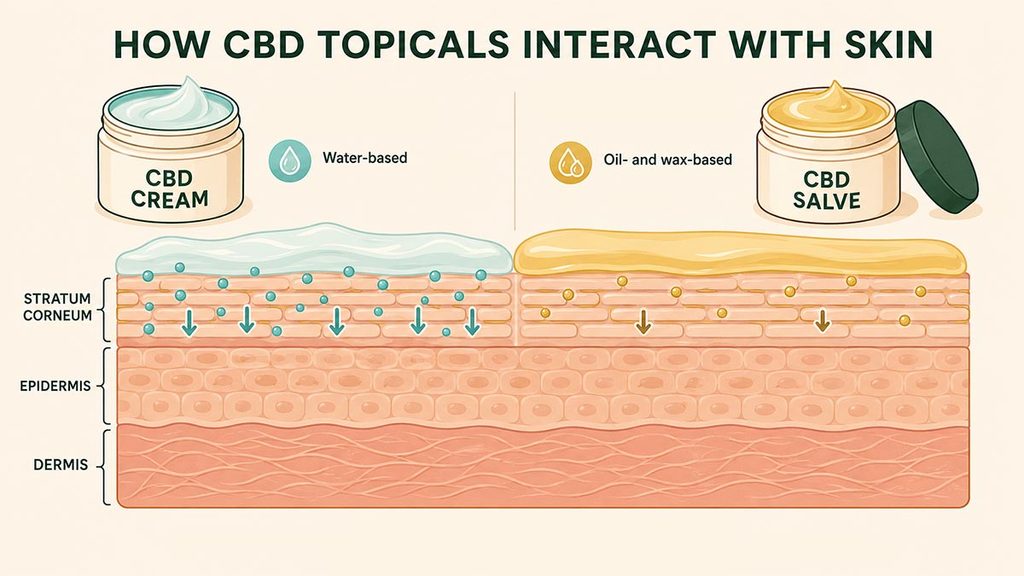
There is an endocannabinoid system (ECS) in the skin. After application, CBD interacts with ECS receptors but does not enter the bloodstream. CBD and the other ingredients remain on the skin’s outermost layer called the stratum corneum.
CBD has shown, through research, the ability to have various biological effects on the skin. These include antimicrobial, antioxidant, wound-healing, moisturizing, analgesic, anti-aging, and more. Many of these effects are due to the interaction of CBD with the ECS. Two terms apply to topicals: absorption and dry-down.
Absorption
Most topicals remain on the skin surface. This is due to CBD’s lipophilic (fat-soluble) nature. The outer layer of the epidermis contains molecules that act as a shield, keeping out various substances, including water, bacteria, and lipids. Lipids include fats, waxes, and oils. Researchers are continually developing new delivery technologies to enhance the bioavailability of CBD. This is another way of saying they want to increase the absorption of CBD and other ingredients so they reach beneath the top skin layer.
Absorption refers to the physical process of skin penetration. How deep do CBD and other active ingredients penetrate the skin layers? CBD permeability is directly influenced by the formula and skin pH.
CBD creams are water-based, so absorption of the water-soluble ingredients is faster than in a wax- and oil-based CBD salve. Active ingredients in salves are released more slowly due to the oils and waxes. Neither cream nor salve is absorbed beneath the stratum corneum.
Dry-Down
Dry-down is the term for how a product feels after the product evaporates and settles on the skin. When the water in the water-based CBD cream evaporates, the skin feels non-greasy, light, clean, and more supple.
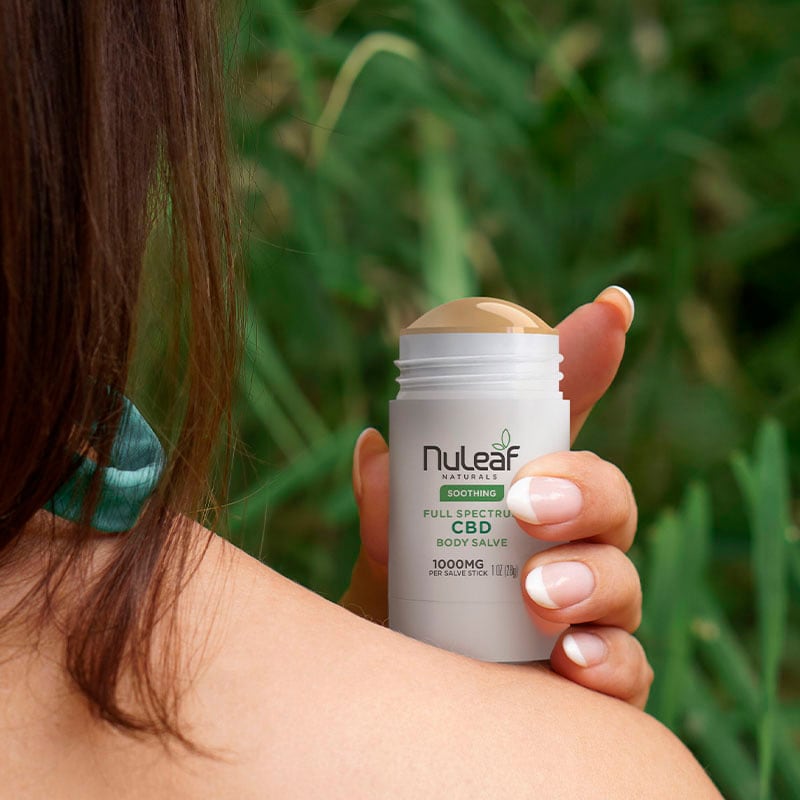
An oil-based salve is thicker due to its oil and wax content. It creates a rich, protective, moisture-locking barrier on the skin. The thickest salves feel greasy.
Are Preservatives Necessary for CBD Salves and Creams?
As discussed, CBD creams have a rich water-and-oil base. This base is an ideal environment for the growth of bacteria, mold, and yeast, so preservatives are necessary to keep the product fresh.
The preservatives in CBD cream vary, and there are often more than one. For example, sodium benzoate is a common antimicrobial preservative used in water-based CBD cream products. It hinders the growth of mold, bacteria, and yeast. Potassium sorbate is also widely used to inhibit mold and yeast growth.
CBD creams may have other ingredients that help keep the cream fresh but are not preservatives. For example, tocopherol (Vitamin E) is commonly added. It slows oil oxidation, so the cream does not become rancid. Emulsifiers like cetearyl glucoside and sorbitan olivate also help to stabilize the cream.
An anhydrous CBD salve usually does not need preservatives because it is water-free. This does not mean the salve cannot be contaminated. For example, regularly using wet fingers to get salve from a jar can lead to contamination when bacteria are introduced. It is better to use an applicator to scoop out the salve from a jar.
Some additional factors that cause contamination of creams and salves include leaving a lid off and allowing dust, respiratory droplets, or mold spores to settle in the product. Storing the products in warm, humid environments or in the sun can degrade creams and salves. CBD is sensitive to temperature, UV rays, and oxidation.
How Does Temperature Affect Each Formula?
Temperature can have an obvious effect on both creams and salves. As mentioned, CBD is susceptible to degradation when exposed to excessive heat and light.
However, temperature can also affect formulas in creams and salves in other ways. Water-based CBD creams exposed to excessive heat can lead to changes in the emulsion. The cream’s texture may change, or the water and oil may separate. Repeated heating and cooling can ruin the cream. Cream formulas are a careful balance of CBD, water, emulsion, essential oils, and more.
A salve is also a carefully balanced formula of CBD, waxes, and butters. If it gets too cool, it may get too firm, making it difficult to use. If it gets too warm, the ingredients can soften.
It is important to follow the storage instructions recommended on the product label.
FAQs
Is CBD salve stronger than CBD cream?
A salve is not necessarily stronger than a cream. The strength of either product depends on its CBD potency and delivery system. Both CBD cream and salve are available in different potencies, expressed differently depending on how the product is packaged (e.g., CBD per ounce or per milliliter).
Does CBD cream absorb faster than CBD salve?
CBD creams are water-based, so they usually absorb faster than a CBD salve. However, other factors influence the absorption rate. CBD absorption in both product types depends on factors such as formulation, CBD potency, carrier oil, emulsifier type, and additional ingredients like botanicals and vitamins.
Why does CBD salve feel greasier than cream?
It is the base that makes CBD salve feel greasier than cream. Salves are made with oils, waxes, and butters and have very little or no water. The ingredients stay on the skin after application because there is no water to evaporate. Creams feel lighter and dry faster because the water in them evaporates.
Can CBD salve melt during shipping?
An oil-based salve can soften or partially melt when exposed to high heat. This is due to the waxes and butters, which have melting ranges. If the CBD salve gets too hot during shipping, the waxes and butters can melt and separate from other ingredients. You may be able to restore the original consistency by allowing the product to cool per the manufacturer’s instructions.
Two Beneficial CBD Product Forms
CBD cream and CBD salve are different types of products. Creams are water-based emulsions and are lighter and easier to spread than salves. Salves are thicker due to their oil or wax base. They also form a stronger barrier on the skin. Neither form delivers more CBD. Today, there is a wide range of CBD topical products with different formulations that may offer general skin-wellness benefits or target specific skin issues. When assessing various CBD products, it is always important to review the label’s full ingredient list, CBD potency, expiration date, testing information, and storage recommendations.
Sources
- https://pmc.ncbi.nlm.nih.gov/articles/PMC12736438/
- https://pubmed.ncbi.nlm.nih.gov/38217086/
- https://pmc.ncbi.nlm.nih.gov/articles/PMC7246407/
- https://pmc.ncbi.nlm.nih.gov/articles/PMC2757311/
- https://pmc.ncbi.nlm.nih.gov/articles/PMC12467061/
- https://pmc.ncbi.nlm.nih.gov/articles/PMC12467061/#sec6-biomolecules-15-01219
- https://pmc.ncbi.nlm.nih.gov/articles/PMC10386449/#sec2-pharmaceuticals-16-01049
Share this post
