

Maryland’s New CBD Law Protects Veterinary Licenses
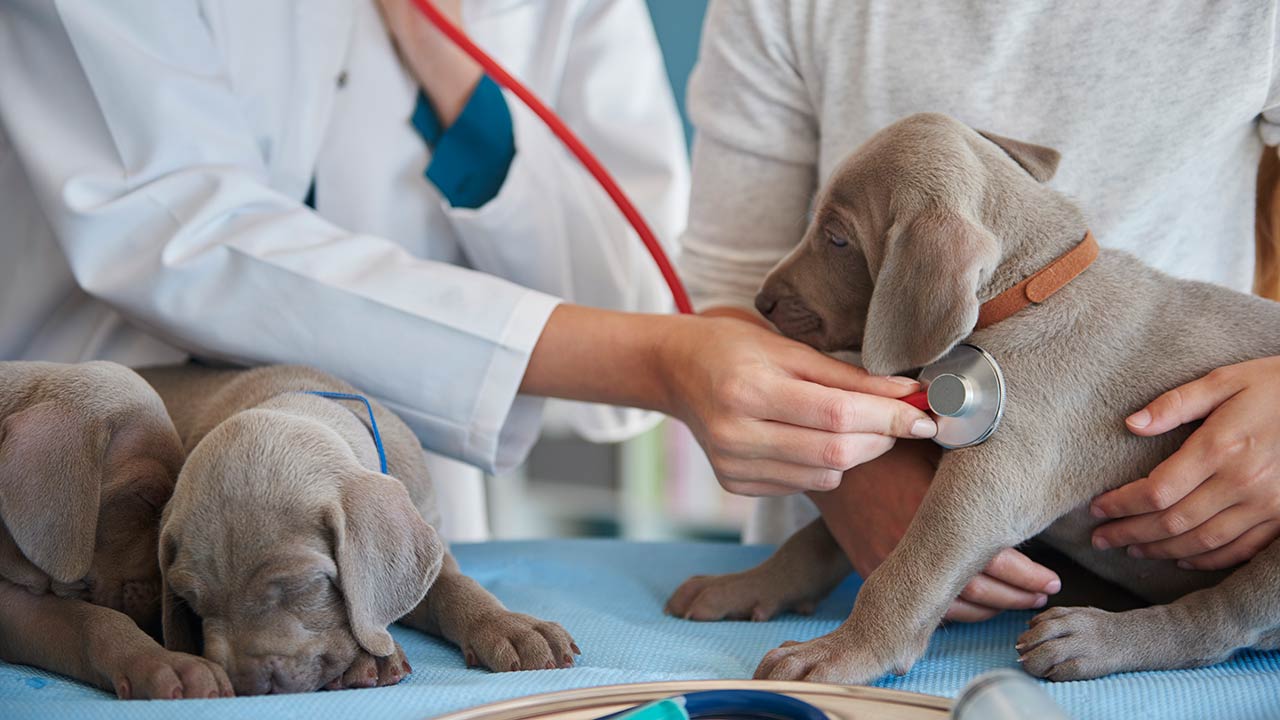
A Maryland law effective October 1, 2026, protects veterinarians from licensing penalties solely for recommending CBD products for animals, opening the door to conversations with pet owners.
Governor Wes Moore signed House Bill 452 on April 14 after both chambers voted unanimously. The measure changes the State Board of Veterinary Medical Examiners’ disciplinary authority.
Under the law, the board cannot suspend or revoke a license, reprimand or censure a veterinarian, or impose probation solely because the practitioner discussed or recommended these products for an animal.
The wording covers cannabis as defined by Maryland law alongside products containing cannabidiol. That separate reference to CBD brings hemp-derived products within the protection.
The legislation has a specific scope. Other grounds for professional discipline remain in place, and the measure does not establish new prescribing or dispensing authority. It also does not approve products.
For owners, the practical change is greater opportunity to raise questions with a veterinarian instead of relying on online material or retail advice. Practitioners can participate in those conversations with protection against the listed board actions.
“They want viable options,” says veterinarian Ashley Nichols, a board member of the Maryland Veterinary Medical Association.
Her comment reflects the demand behind the legislation: clients are already asking about cannabis products for their pets. During legislative discussions, an association representative, Matthew Weeman, explained that some owners were already giving animals over-the-counter CBD products, while veterinarians felt constrained about responding.
The new protection addresses that communication gap. Vets can now explain what is known about these products and where the evidence runs out. The law itself doesn’t make any product an approved animal drug, decide which products can be sold, or establish that one is safe or effective.
Maryland joins California, Michigan, Nevada and Utah in providing legal protections for veterinary discussions about cannabis. It is the first veterinary-specific cannabis law enacted in the United States in four years.
Earlier, Maryland practitioners were careful when discussing CBD products, because of a 2019 board statement urging caution. However, a state legislative analysis found that, as of March 2026, the board had not formally disciplined any veterinarian for conduct the new law now protects.
Federal oversight of products is still a different matter. The FDA has not approved cannabis for use in animals. The FDA still holds the key decision on animal cannabis. Thus, the change in Maryland focuses on how professionals communicate and on protecting licenses. Existing rules about product approval stay separate.
Share this post
