

Cooling or Warming CBD Topicals: Which One Meets Your Needs?
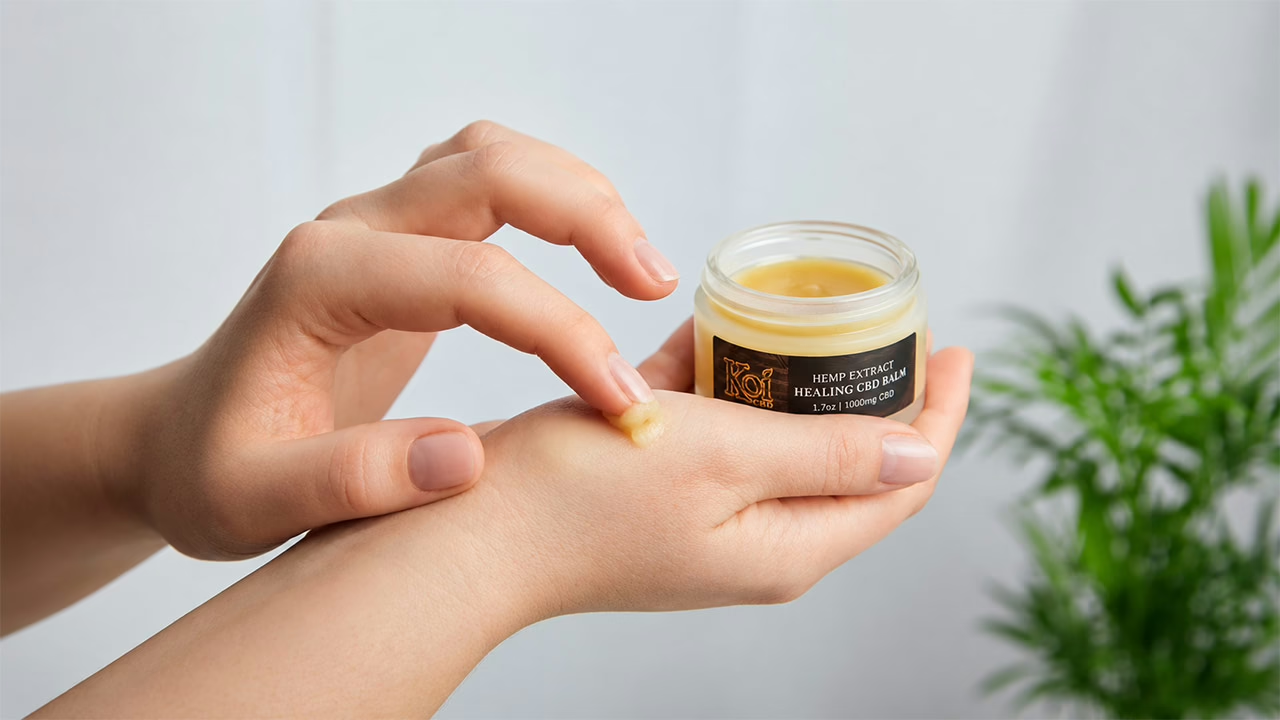
Cooling and warming CBD topicals are among the most popular products in the growing CBD skincare market, projected to reach $1.07 billion by 2032. The cooling and warming topicals are formulated to address different personal needs, from dry skin to muscle discomfort. CBD extract is blended with botanicals and other compounds to ensure maximum benefits. Choosing the best CBD topicals for targeting the area of concern depends on personal goals and the sensation your body responds to best.
TL;DR (Too Long; Didn’t Read):
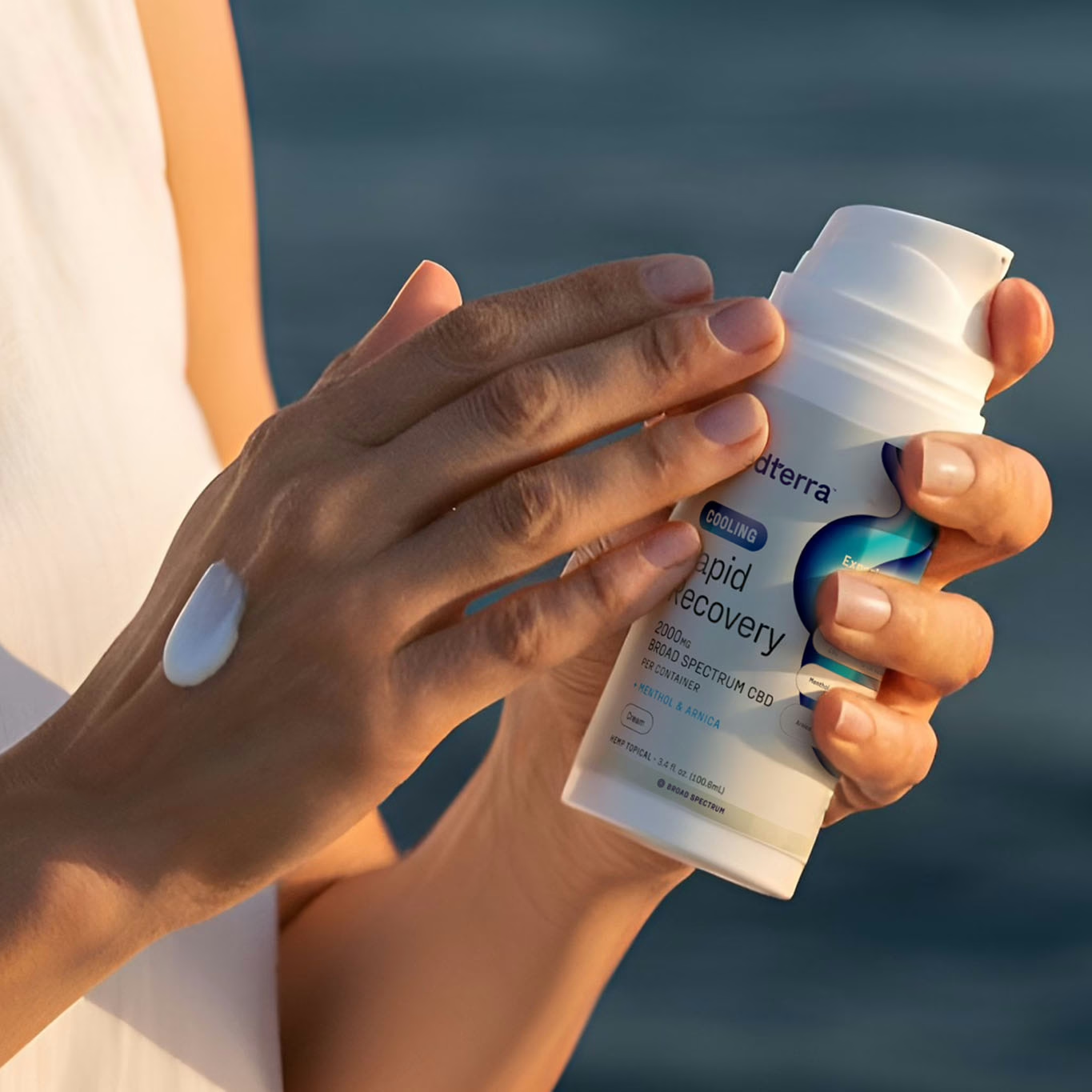
Choosing between a cooling and a warming CBD topical depends on your personal needs. Cooling topicals with ingredients like menthol or eucalyptus are a good choice when you are feeling overheated, need help with recovery after activity, or want to feel refreshed. Warming topicals produce heat sensations from ingredients such as capsaicin or ginger. They are a good choice for reducing tension or stiffness and for promoting relaxation in the evening.
Table of Contents
Cooling or Warming CBD Topicals?
In general, cooling botanicals in topicals help soothe warm skin by constricting blood flow. Warming botanicals increase blood flow, reducing stiffness and feelings of cold. Cooling ingredients can refresh, while warming ingredients can promote calm and relaxation.
Choose a cooling CBD topical if you:
- Prefer a refreshing sensation on the skin rather than a heavier, warmer sensation
- Are you experiencing tired muscles after exercise or sports activities
- Have joints that feel irritated from overuse, and the skin feels warm
- Have a skin irritation
- Live in a hot climate
- Want a more energizing feel during the day
In one study, the effectiveness of topical CBD in relieving chronic discomfort in athletes experiencing lower-body injuries was evaluated. The formulation included cooling agents such as camphor, wintergreen, lemongrass, and ylang-ylang. The participants applied the topical twice a day. The results after six weeks were a significant improvement in function.
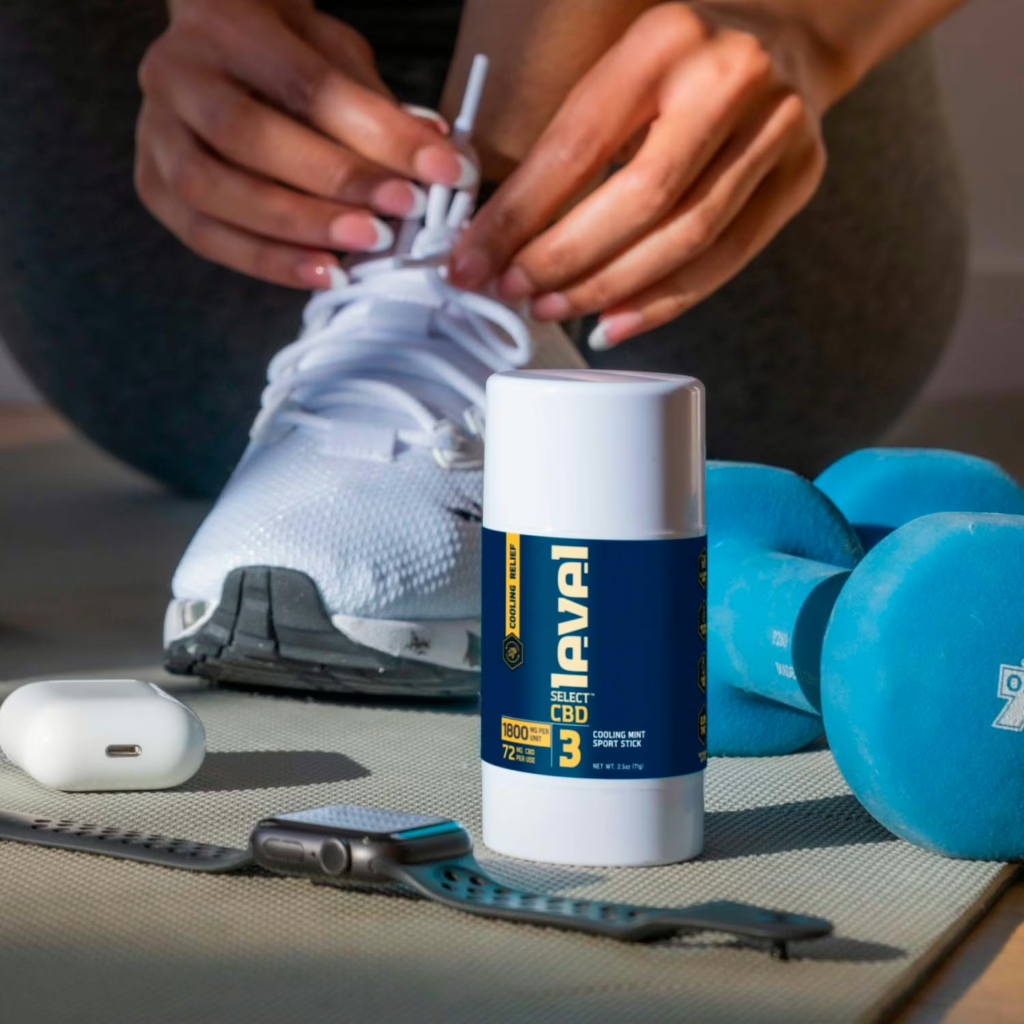
Choose a warming CBD topical if you:
- Have stiff muscles and joints
- Experience muscle tightness in areas like the shoulders, neck, and lower back
- Experience morning stiffness in joints or muscles
- Are uncomfortable in winter weather
- Are uncomfortable in air conditioning
- Need a calming effect and a deeper feeling of relaxation, especially in the evening
- Want to loosen the body before stretching or working out
What Actually Makes a Topical Feel Warming or Cooling?
CBD does not create a cooling or warming sensation. It interacts with the endocannabinoid (ECS) system’s CB1 and CB2 receptors in the skin. The ECS is important for skin health, but there is currently no evidence that CBD produces cooling or warming effects.
The sensation of warmth or coolness that a topical produces is due to the additional ingredients blended into the formula. These ingredients include botanicals and essential oils. The following are some of the common cooling ingredients used in CBD topicals.
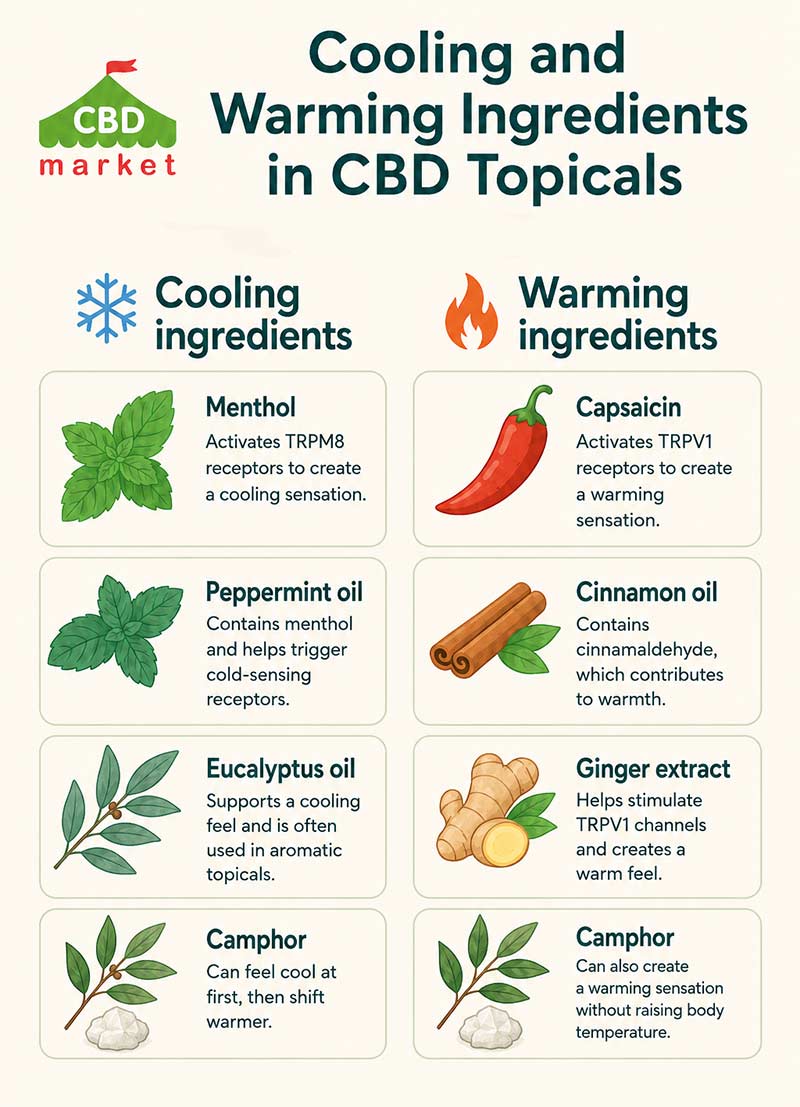
Cooling ingredients
Cooling CBD topicals contain ingredients that promote sensory activity. Cooling ingredients do not directly lower skin temperature. They interact with the skin’s sensory receptors to “trick” the brain into producing cold sensations. Clinical research has found that cooling compounds, such as menthol, can provide some relief.
Menthol
Menthol activates the TRPM8 receptors in the skin that detect cold temperatures. This triggers false cold signals to the brain and nervous system. Menthol may act as an analgesic and improve wound healing.
Peppermint oil
Peppermint oil has menthol in it. Menthol reduces the level required to activate TRPM8 receptors. Cold signals are sent to the brain.
Eucalyptus oil
Eucalyptus oil also activates TRPM8 receptors, generating a cooling sensation. Its antibacterial properties promote healthy skin and may help reduce joint and muscle discomfort. It is also an aromatic that promotes calm and relaxation.
Camphor
Camphor is a botanical that can create cold and warm sensations. It may improve blood circulation in the skin and muscles. It first produces a cold sensation, which slowly fades into a warm sensation. The botanical does this by first activating TRPM8 receptors, which produce a cold sensation, and then stimulating TRPV1 and TRPV3 receptors, which produce a warm sensation. This combined action may increase localized blood flow.
Warming ingredients
Warming ingredients in CBD topicals also interact with skin receptors. Most activate the skin’s TRPV1 receptors, which are involved in detecting temperature changes and the perception of discomfort. Warming ingredients help stimulate blood flow, which may reduce muscle stiffness. The following are some of the common warming ingredients used in CBD topicals.
Capsaicin
Capsaicin is a genus of plants, specifically bell peppers, chili peppers, etc. Capsaicin is an active chemical compound in chili peppers responsible for the fruit’s heat. It has been used for hundreds of years as a topical analgesic. It activates TRPV1 receptors, which lead the brain to produce a warm sensation. Capsaicin has been shown to have strong anti-microbial effects. However, using too much of this botanical can cause a burning or stinging sensation.
Cinnamon oil
Cinnamon oil contains a high concentration of cinnamaldehyde. This agent produces a warm sensation by interacting with TRPA1 channels. These channels contribute to the detection of warmth. Cinnamon oil may improve blood circulation and soothe muscles.
Ginger extract
Ginger extract has active compounds called gingerols and shogaols. These compounds activate TRPV1 channels and stimulate blood flow, leading to a sensation of warmth on the skin surface. Ginger extract triggers a thermogenic effect, which means it increases oxygen consumption and heat production.
Camphor
As mentioned, camphor can stimulate the skin’s receptors, creating a warm sensation. It does this without increasing the body’s temperature.
The Sensation Timeline
CBD topicals contain CBD and cooling or warming ingredients. Although there is no evidence that these ingredients chemically interact, they may produce complementary or synergistic effects on the skin. Blending CBD with menthol or eucalyptus may help reduce the sensation of heat. The cooling and warming ingredients work quickly.
| Sensation Type | Onset | Peak Effect | How Long It May Last |
|---|---|---|---|
| Cooling | May begin as soon as 30 seconds, but usually within minutes | 4–10 minutes | Up to 60 minutes |
| Warming | Starts in 10–30 minutes | 30–45 minutes | A few hours |
CBD remains on the skin as the cooling and warming sensations cycle through. The botanicals provide more immediate sensations, and CBD is longer-lasting. The cooling and warming ingredients provide temporary relief by modulating brain signaling, while CBD interacts with the ECS.
What to Consider When Choosing a CBD Topical
There are some things to keep in mind when shopping for CBD topicals. Different body areas do not respond the same way to cooling and warming topicals. Also, the skin varies in different parts of the body. Some areas of skin are thinner than others. The following are a few guidelines.
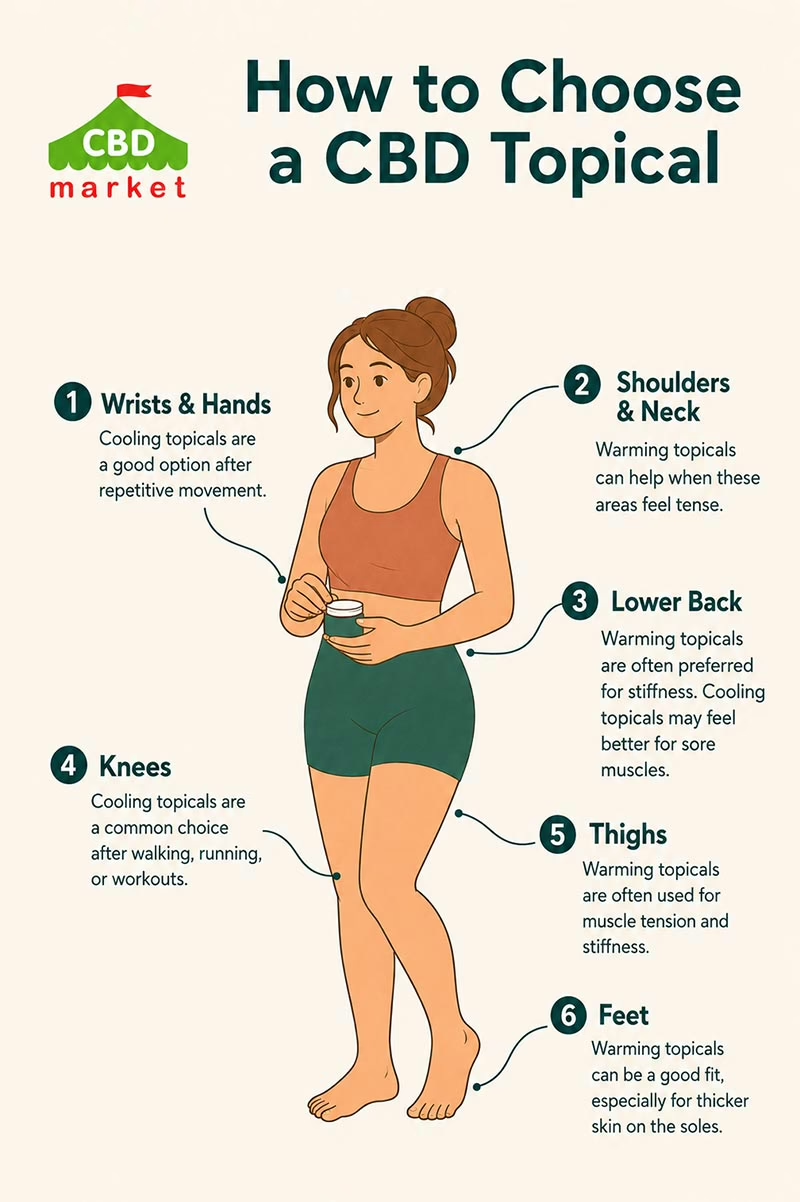
Choose by Body Area
Wrists and hands
CBD topicals with cooling ingredients can help keep hands and wrists feeling relieved from the effects of repetitive movements. Cooling the skin can help to reduce discomfort.
Shoulders and neck
Tension in the shoulders and neck is due to muscle tension or an acute strain. Warming CBD topicals can help relieve the tension and reduce blood flow to the affected areas.
Lower back
Lower back discomfort is very common and can be caused by various factors. The back might feel stiff from outdoor activities or gardening, or sore after lifting heavy boxes or carrying young children. To reduce stiffness, CBD warming topicals work best for this thick-skinned area of the body. CBD cooling topicals are better for relieving tired back muscles.
Knees
Using a CBD cooling topical on the thin skin of the knee is a good choice after overuse of these joints. The knees take a real beating when walking, running, or working out at the gym. The cooling topical can soothe the ligaments and tendons holding the knee joint in place, as well as the muscles surrounding the knees.
Thighs
Use CBD warming topicals to reduce muscle tension and stiffness.
Feet
The feet, especially the soles, have thicker skin. The CBD warming topical can promote blood flow for relief.
Choose by Time of Day
The time of day does impact when you should use CBD cooling or warming topicals. In general:
✅ Morning
This is the time of day when people are experiencing the most stiffness. A CBD warming topical can stimulate blood flow, helping relieve stiffness.
✅ Late morning and afternoon
CBD products with cooling ingredients like menthol can reduce blood flow to the application area. This may help reduce discomfort from overworked muscles and joints.
✅ Evening
The evening is usually the time people unwind. CBD warming products can promote feelings of relaxation. However, persistent aches keeping you from a good night’s sleep may need a cooling topical.
Choose by Formula Type
There is a wide selection of CBD topical products. They include creams, balms, roll-ons, gels, lotions, patches, and bath bombs. The type of topical is a personal choice. However, there are some things to keep in mind when choosing a particular CBD topical formula.
➥ Topicals are available in the three CBD spectrums, which are full spectrum, broad spectrum, and isolate CBD.
➥ CBD topicals have different potencies. If using a topical for the first time, it is always recommended to start with a low potency.
➥ Filter product options based on the cooling or warming ingredients that will best meet your needs, i.e., relief, muscle recovery, relaxation, skin hydration, etc.
➥ Only purchase from brands that make a third-party COA available. The COA is the Certificate of Analysis that lists the cannabinoid content and whether hazardous ingredients, such as heavy metals and pesticides, are present.
It is always important to do a patch test when using a new product. Some people are sensitive to particular botanicals. You should always read the list of ingredients on the label.
Common Mistakes When Choosing CBD Topicals
Some of the common mistakes people make when choosing CBD topicals are often based on assumptions. For example, the more menthol a product contains does not mean there is more CBD content. Some other common mistakes include the following.
⚠ People ignore their skin sensitivity and use a CBD warming topical with an ingredient like capsaicin. Capsaicin and other warming ingredients can cause intense reactions when too powerful. The patch test can help you assess sensitivity to botanicals and the amount of warming ingredients.
⚠ Failing to follow the recommended application amount puts you at risk of using too much topical. More topical does not necessarily equate to better results.
⚠ Applying a warming formula after a hot shower or when hot from exertion can make a warming ingredient feel stronger.
⚠ It is a false assumption to think all topicals are safe to use. Not reading the ingredients is a common mistake. It is crucial to read all the ingredients, including the essential oils and other additives.
⚠ Also, not washing your hands after applying a CBD topical and then touching your eyes or other sensitive areas can cause burning and stinging.
FAQs
Are Warming CBD Topicals Stronger than Cooling Topicals?
Warming CBD topicals are not necessarily stronger than cooling topicals. The warming and cooling ingredients serve different purposes. For example, a warming CBD topical will feel stronger than a cooling one when used to reduce muscle tension by increasing circulation.
Can I Use Warming and Cooling CBD Topicals Together?
You can use both products at the same time, but not on the same area of skin. Applying a warming and cooling CBD topical together can lead to unpredictable sensations. The best plan is to use the topicals at different times throughout the day, as needed. For example, use a warming CBD topical in the morning to start the day and apply a cooling CBD topical after exercising later in the day.
Is a Cooling Topical Better After Activity?
Cooling CBD topicals are better after activity when the goal is to feel refreshed and to reduce blood circulation to a particular area. Warming CBD products are a good choice for reducing stiffness.
Choosing Based on Personal Needs
Choosing a cooling or warming CBD topical is mostly about selecting the one that best meets your needs at the moment. Cooling ingredients can help you feel refreshed or improve recovery. Warming ingredients support feelings of relaxation and reduced stiffness and tension. Neither warming nor cooling CBD products is better.
Sources
- Fortune Business Insights. CBD Skincare Market Size, Share & Industry Analysis, By Type, By End-user, By Distribution Channel, and Regional Forecast, 2026-2034. Fortune Business Insights. 2026 Apr 27; Report ID: FBI107940.
- Hall N, James B, Bhuiyan MAN, Crane E, Falgout C, Murnane KS. Topical cannabidiol is well tolerated in individuals with a history of elite physical performance and chronic lower extremity pain. J Cannabis Res. 2023;5(1):11. PubMed.
- Liu B, Fan L, Balakrishna S, Sui A, Morris JB, Jordt SE. TRPM8 is the principal mediator of menthol-induced analgesia of acute and inflammatory pain. Pain. 2013 Oct;154(10):2169-2177. PubMed.
- McKemy DD. TRPM8: The Cold and Menthol Receptor. In: Liedtke WB, Heller S, editors. TRP Ion Channel Function in Sensory Transduction and Cellular Signaling Cascades. Boca Raton (FL): CRC Press/Taylor & Francis; 2007. Chapter 13. NCBI Bookshelf.
- Rozza AL, Beserra FP, Vieira AJ, Oliveira de Souza E, Hussni CA, Martinez ERM, Nóbrega RH, Pellizzon CH. The Use of Menthol in Skin Wound Healing—Anti-Inflammatory Potential, Antioxidant Defense System Stimulation and Increased Epithelialization. Pharmaceutics. 2021 Nov 9;13(11):1902. PubMed.
- Cheng H, An X. Cold stimuli, hot topic: An updated review on the biological activity of menthol in relation to inflammation. Front Immunol. 2022 Nov 9;13:1023746. PubMed.
- Goudarzi MA, Radfar M, Goudarzi Z. Peppermint as a promising treatment agent in inflammatory conditions: A comprehensive systematic review of literature. Phytother Res. 2024 Jan;38(1):187-195. PubMed.
- El Shiekh RA, Atwa AM, Elgindy AM, Mustafa AM, Senna MM, Alkabbani MA, Ibrahim KM. Therapeutic applications of eucalyptus essential oils. Inflammopharmacology. 2025 Jan;33(1):163-182. PubMed.
- Xu H, Blair NT, Clapham DE. Camphor activates and strongly desensitizes the transient receptor potential vanilloid subtype 1 channel in a vanilloid-independent mechanism. J Neurosci. 2005 Sep 28;25(39):8924-8937. PubMed.
- Petran EM, Periferakis A, Troumpata L, Periferakis AT, Scheau AE, Badarau IA, Periferakis K, Caruntu A, Savulescu-Fiedler I, Sima RM, Calina D, Constantin C, Neagu M, Caruntu C, Scheau C. Capsaicin: Emerging Pharmacological and Therapeutic Insights. Curr Issues Mol Biol. 2024 Jul 24;46(8):7895-7943. MDPI.
- Nabavi SF, Di Lorenzo A, Izadi M, Sobarzo-Sánchez E, Daglia M, Nabavi SM. Antibacterial Effects of Cinnamon: From Farm to Food, Cosmetic and Pharmaceutical Industries. Nutrients. 2015 Sep 11;7(9):7729-7748. PubMed.
- Bode AM, Dong Z. The Amazing and Mighty Ginger. In: Benzie IFF, Wachtel-Galor S, editors. Herbal Medicine: Biomolecular and Clinical Aspects. 2nd edition. Boca Raton (FL): CRC Press/Taylor & Francis; 2011. Chapter 7. NCBI Bookshelf.
- Rusu A, Farcaș AM, Oancea OL, Tanase C. Cannabidiol in Skin Health: A Comprehensive Review. Biomolecules. 2025 Aug 23;15(9):1219. PubMed.
Share this post
